The origin
Q Space comes directly from neutron scattering practice, where q denotes the scattering vector in reciprocal space. Fourier transform and symmetry were not borrowed language; they were working instruments. The name is literal.
Series
Q Space presents transformation as a readable event. The source remains close enough to the output for the operation to stay visible. Instead of hiding the process, these works preserve comparison: before and after, scene and system, observation and perturbation. This feed is less about abstraction alone than about the emergence of structure through explicit constraint.
Q Space comes directly from neutron scattering practice, where q denotes the scattering vector in reciprocal space. Fourier transform and symmetry were not borrowed language; they were working instruments. The name is literal.
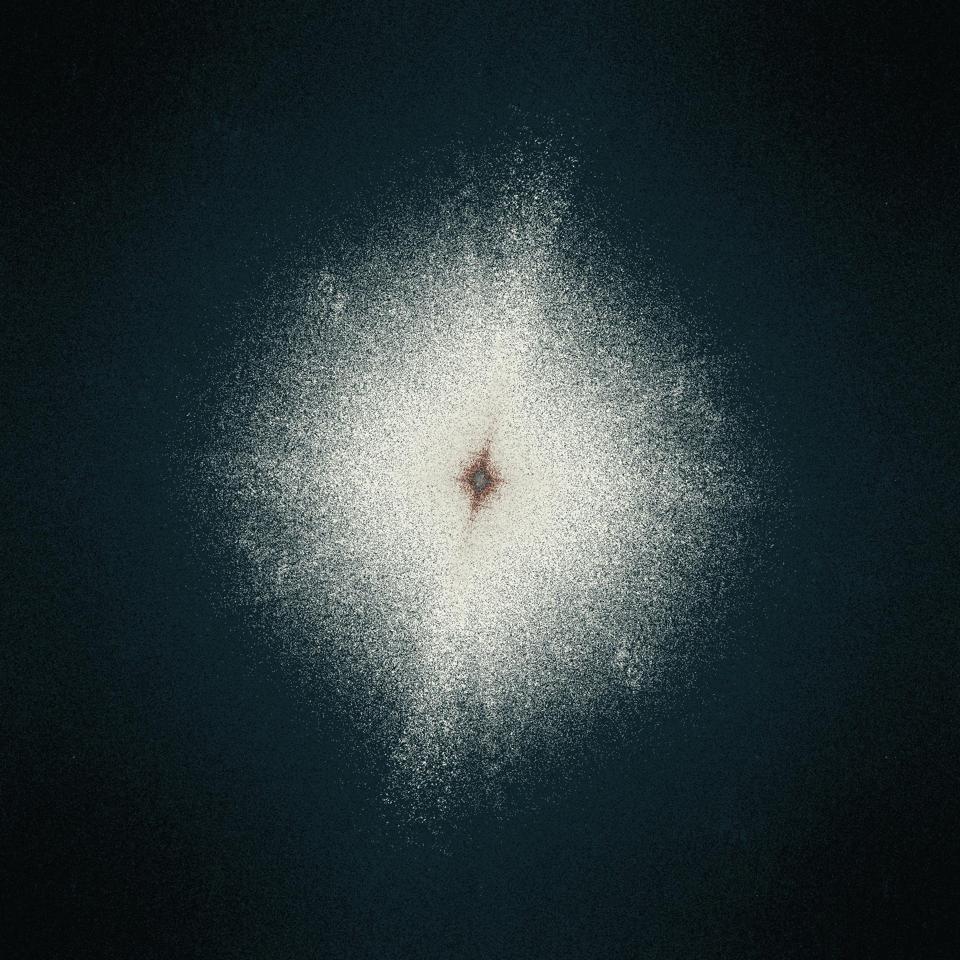
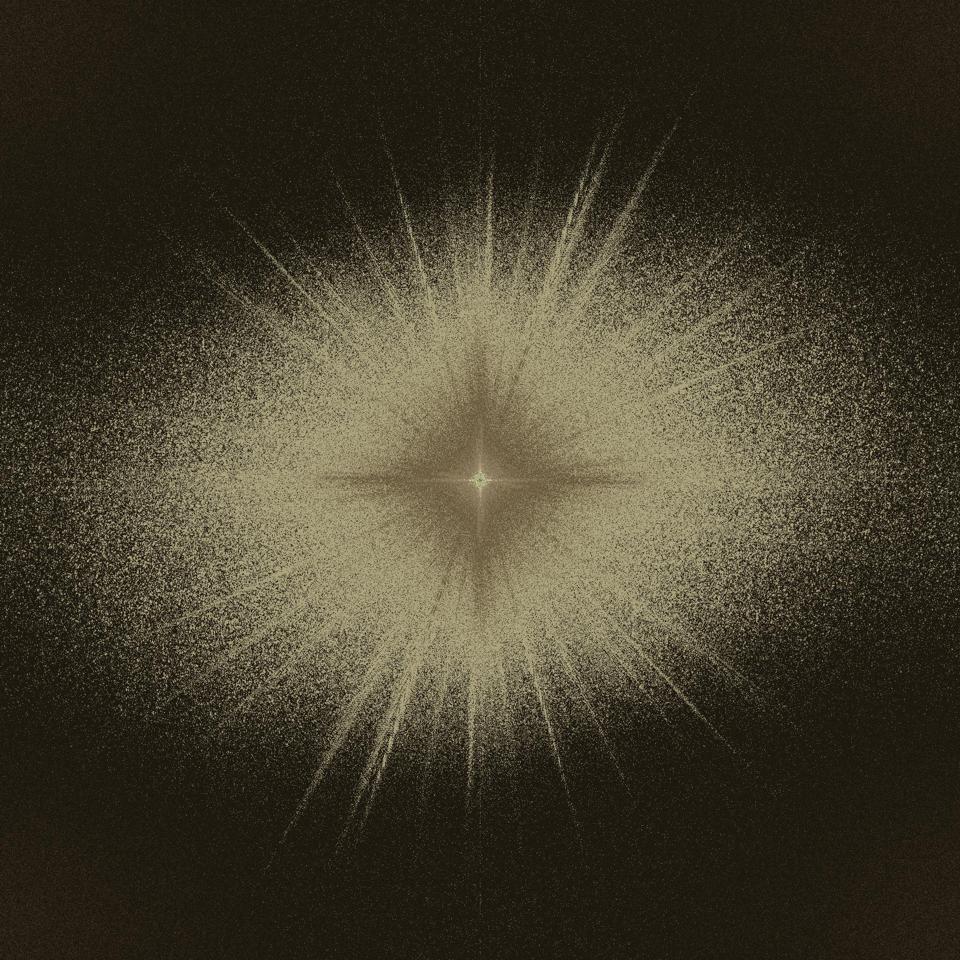
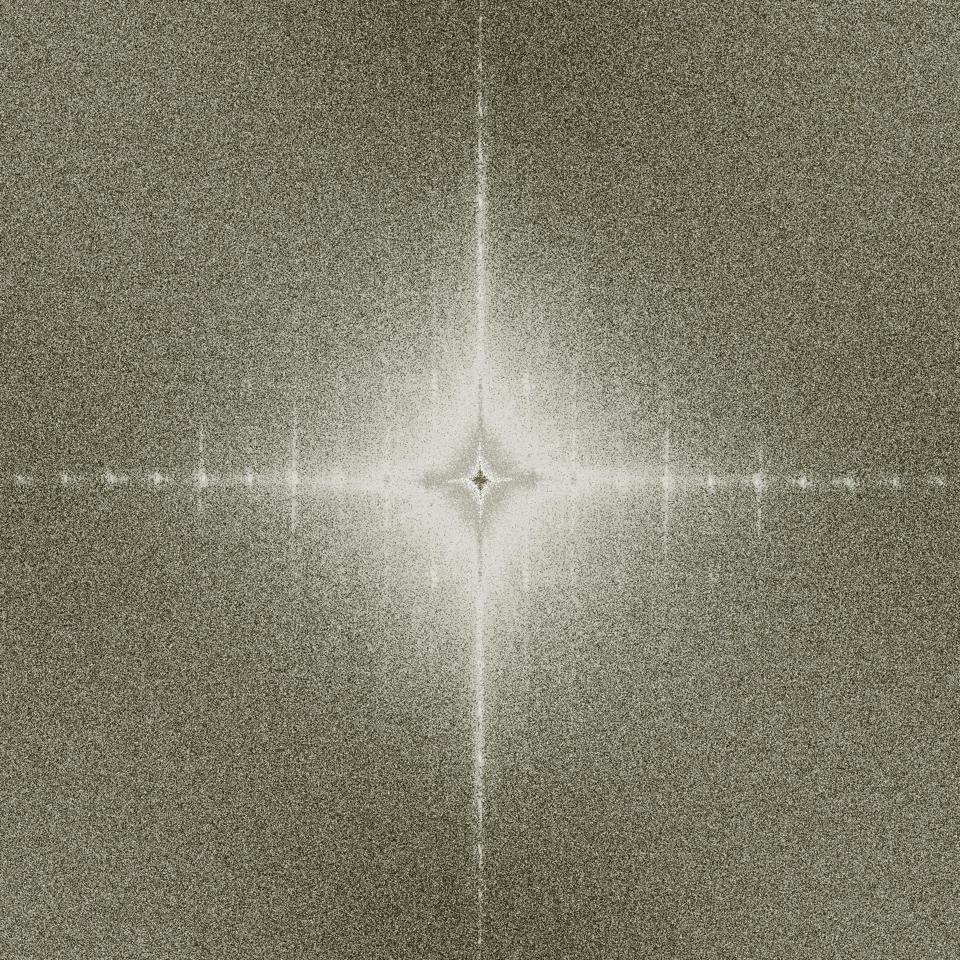
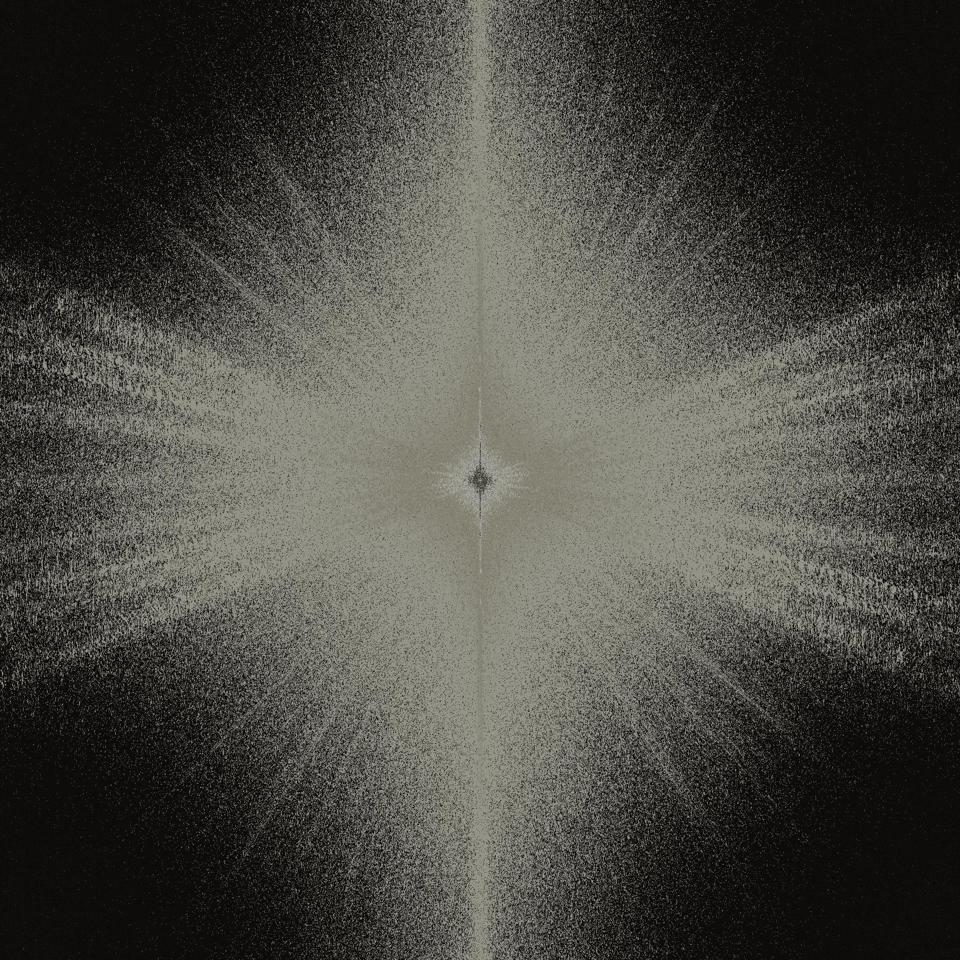
Each work applies a Fourier transform to photographic data. In the lab, this operation decomposes what already exists. Here, the same operation is used to generate an image. The transform is fixed, but the rendering is authored: magnitude handling, color mapping, and field legibility are decisions, not inevitable outputs. The result encodes frequency content and spatial periodicity rather than object identity.
The transform exposes periodicities, hidden structure, and directional bias that real-space reading can miss. Photographs matter because they break perfect symmetry: grain, texture, and light asymmetry remain in the signal. The operation does not invent those structures from nothing. It forces another reading.
Q Space keeps source and transformed states close on purpose. This is not a before/after effect. It is one image read in two coordinate systems: real space and reciprocal space. In the lab these tools are analytical. Here they become editorial choices. The tools are unchanged; their direction is different.
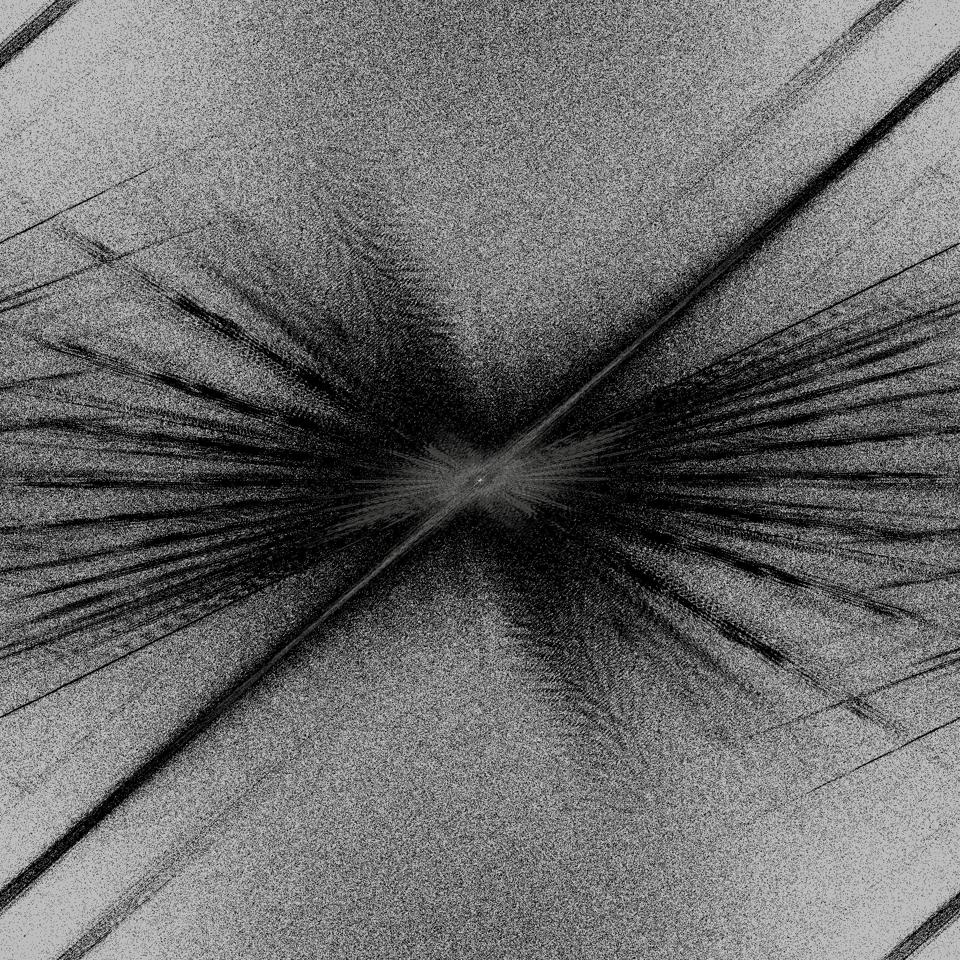
Modern architecture
Based on "Modern architecture" by Sebastian Schuster. Source: https://unsplash.com/@sschusterphotoart via Unsplash.
Published Mar 11, 2026
Source Modern architecture
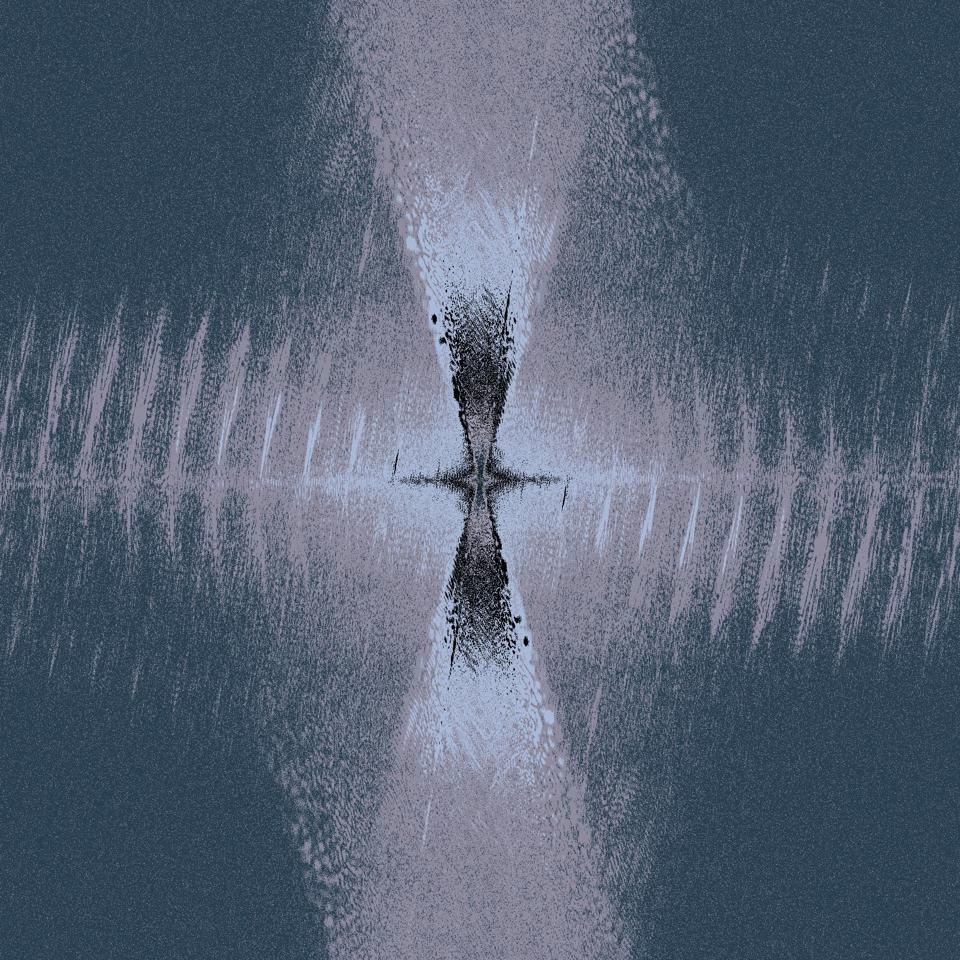
Modern building facade with wavy white metal screening
Based on "Modern building facade with wavy white metal screening" by Deyan Sight (Barcelona, Spain). Source: https://unsplash.com/@deyansight via Unsplash.
Published Mar 11, 2026
Source Modern building facade with wavy white metal screening

Side view of a loom in a European weaving mill, highlighting the gears and drive mechanisms that po…
Based on "Side view of a loom in a European weaving mill, highlighting the gears and drive mechanisms that po…" by Bergstrand Consultancy. Source: https://unsplash.com/@bergstrand via Unsplash.
Published Mar 12, 2026
Source Side view of a loom in a European weaving mill, highlighting the gears and drive mechanisms that po…
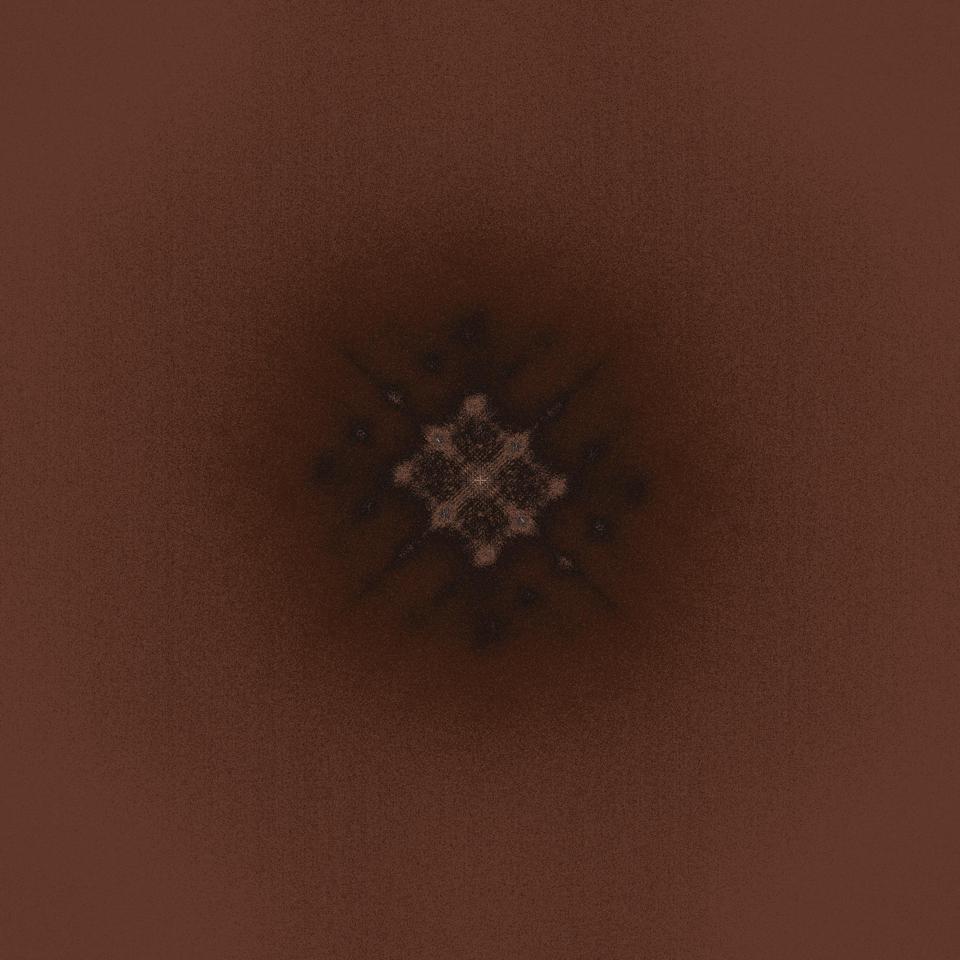
Title: Batik pattern: Lintang trenggana Creator: Date: 1891 Providing institution: National Museum …
Based on "Title: Batik pattern: Lintang trenggana Creator: Date: 1891 Providing institution: National Museum …" by Europeana. Source: https://unsplash.com/@europeana via Unsplash.
Published Mar 12, 2026
Source Title: Batik pattern: Lintang trenggana Creator: Date: 1891 Providing institution: National Museum …
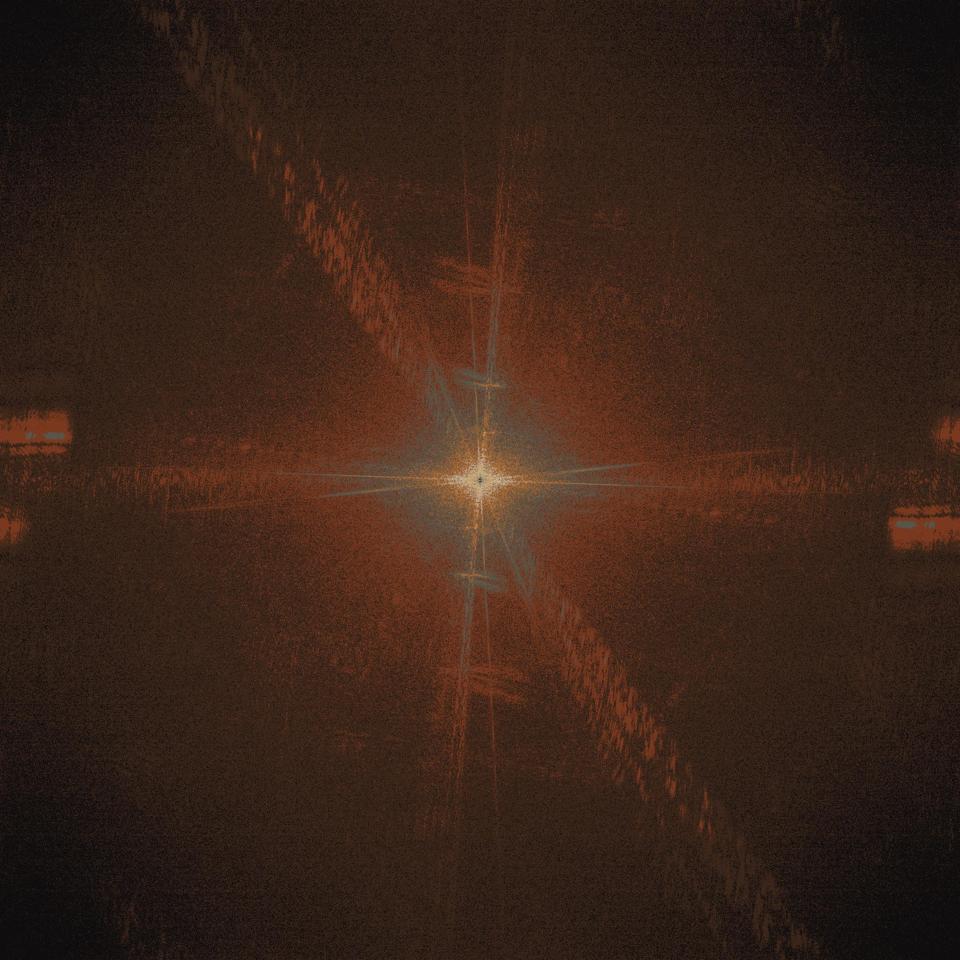
Woman weaving fabric on a loom in a workshop
Based on "Woman weaving fabric on a loom in a workshop" by Brooke Balentine. Source: https://unsplash.com/@brookebalentine via Unsplash.
Published Mar 12, 2026
Source Woman weaving fabric on a loom in a workshop
A market stall filled with hats and textiles
Based on "A market stall filled with hats and textiles" by Diego Mejía. Source: https://unsplash.com/@mejiadiegom via Unsplash.
Published Mar 12, 2026
Source A market stall filled with hats and textiles
A working lady of rural Assam
Based on "A working lady of rural Assam" by Rohit Dey (Majuli, Assam, India). Source: https://unsplash.com/@rohit16dey via Unsplash.
Published Mar 12, 2026
Source A working lady of rural Assam
A loom in a weaving mill, shown with perforated jacquard punch tape guiding the weaving pattern. Th…
Based on "A loom in a weaving mill, shown with perforated jacquard punch tape guiding the weaving pattern. Th…" by Bergstrand Consultancy. Source: https://unsplash.com/@bergstrand via Unsplash.
Published Mar 12, 2026
Source A loom in a weaving mill, shown with perforated jacquard punch tape guiding the weaving pattern. Th…
A room full of machinery
Based on "A room full of machinery" by Geoff Oliver. Source: https://unsplash.com/@satsuma9 via Unsplash.
Published Mar 12, 2026
Source A room full of machinery
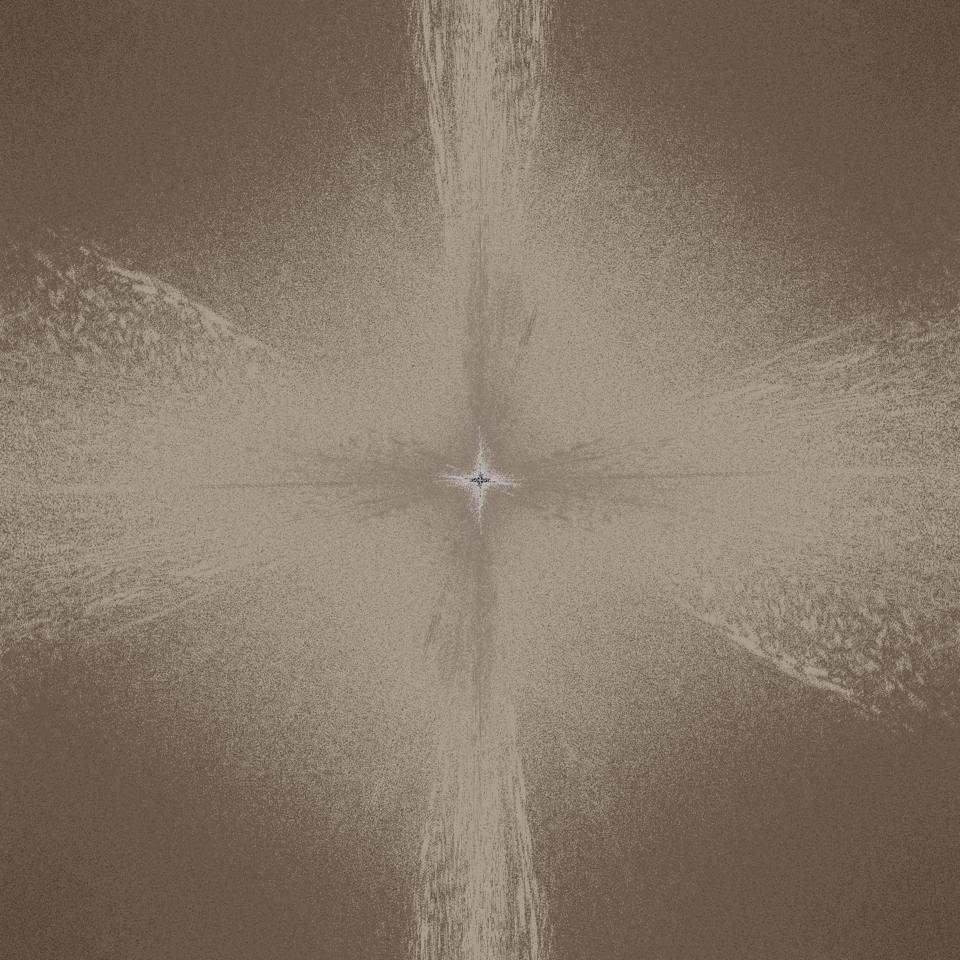
A working lady of rural Assam
Based on "A working lady of rural Assam" by Rohit Dey (Majuli, Assam, India). Source: https://unsplash.com/@rohit16dey via Unsplash.
Published Mar 12, 2026
Source A working lady of rural Assam
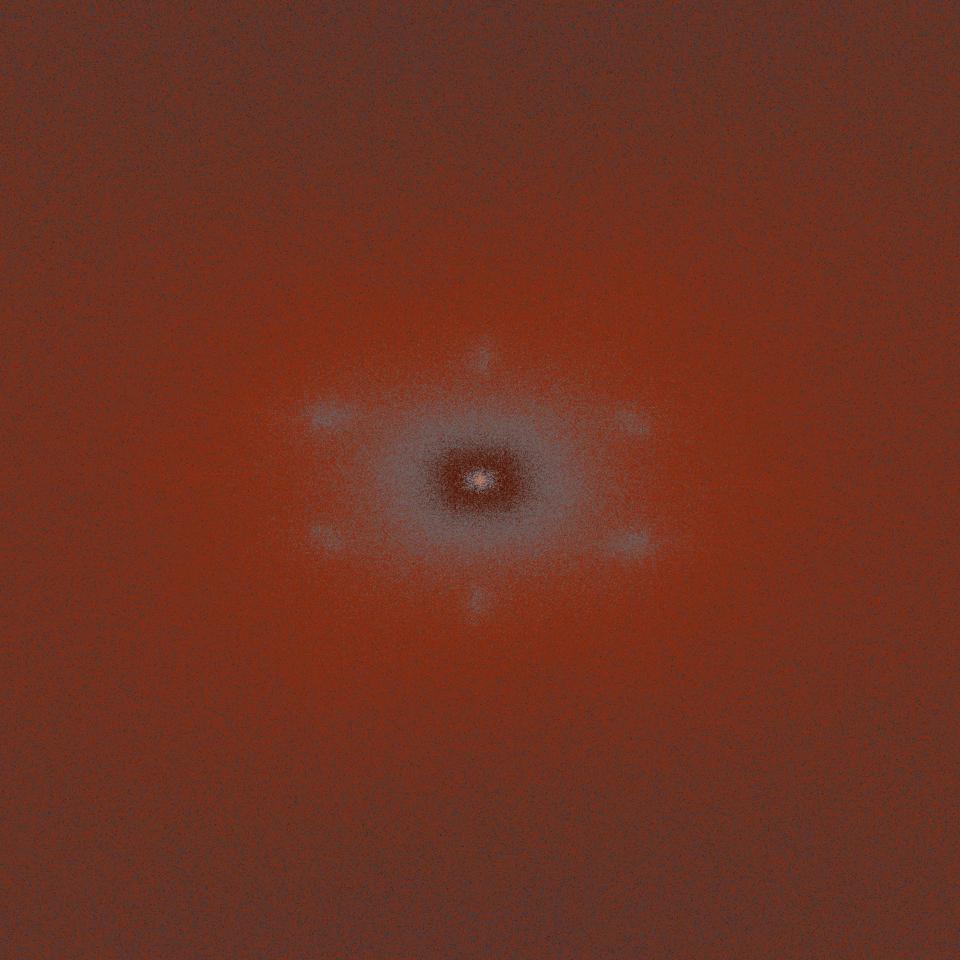
Handmade colorful wool carpet texture
Based on "Handmade colorful wool carpet texture" by engin akyurt. Source: https://unsplash.com/@enginakyurt via Unsplash.
Published Mar 12, 2026
Source Handmade colorful wool carpet texture

Champion Sky-Trac CH7B mid flight
Based on "Champion Sky-Trac CH7B mid flight" by Roger Starnes Sr. Source: https://unsplash.com/@rstar50 via Unsplash.
Published Mar 12, 2026
Source Champion Sky-Trac CH7B mid flight
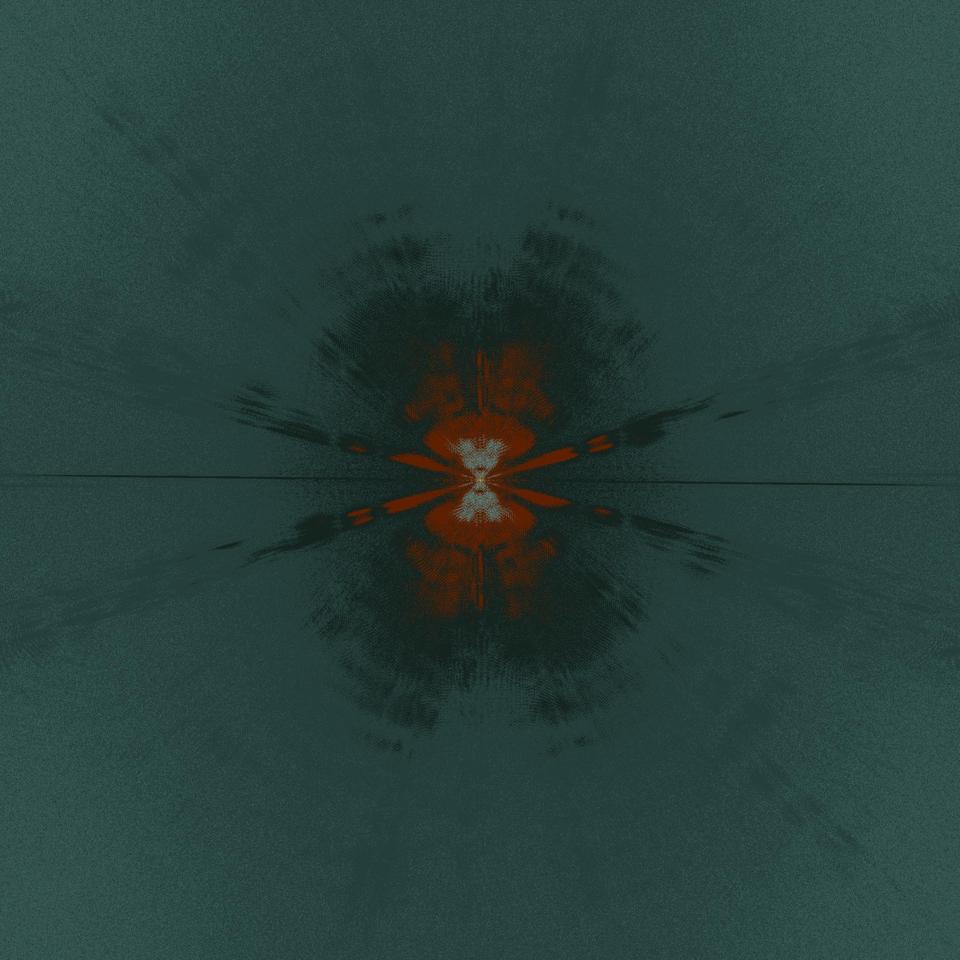
Photo is free to use, but if you want to contribute by marking me I will be very grateful. Foto é …
Based on "Photo is free to use, but if you want to contribute by marking me I will be very grateful. Foto é …" by Sara Collins (Brasil). Source: https://unsplash.com/@saracollins via Unsplash.
Published Mar 12, 2026
Source Photo is free to use, but if you want to contribute by marking me I will be very grateful. Foto é …
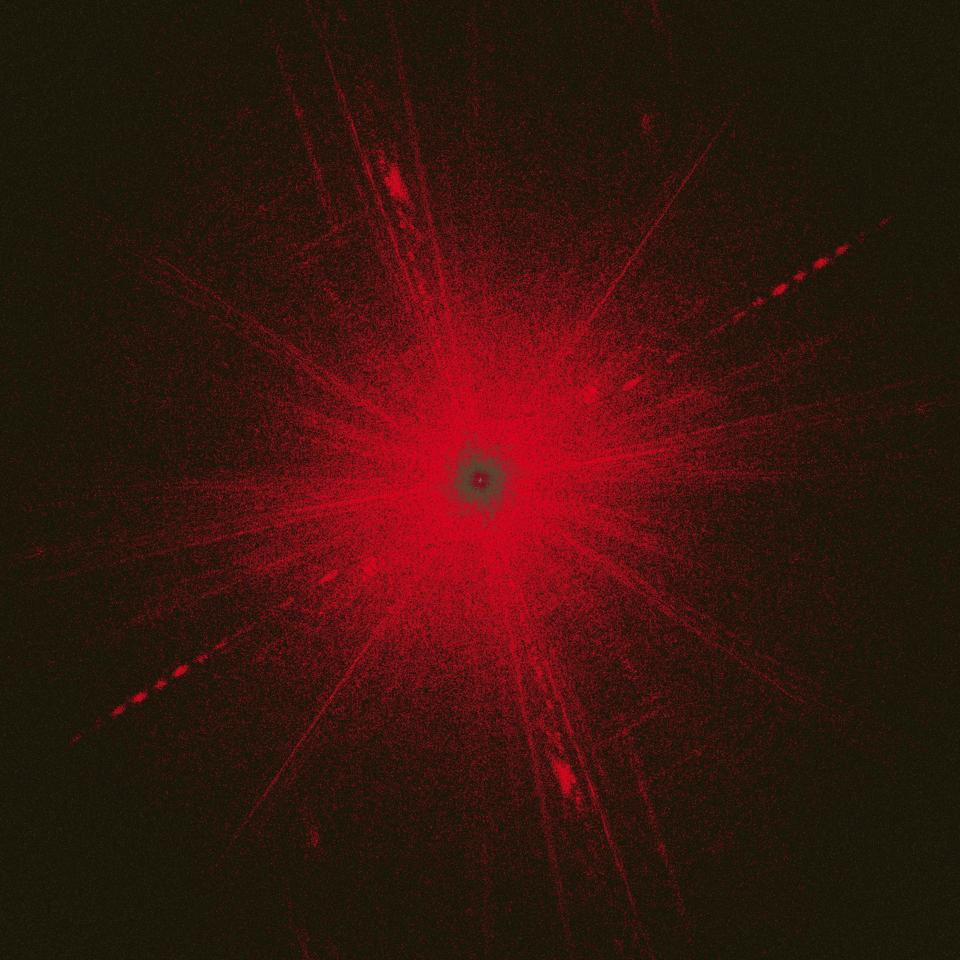
Big Top, Top Down. The Circus Comes to Town. Exmouth, Devon, UK
Based on "Big Top, Top Down. The Circus Comes to Town. Exmouth, Devon, UK" by Red Zeppelin (Imperial Recreation Ground, Exmouth, UK). Source: https://unsplash.com/@redzeppelin via Unsplash.
Published Mar 12, 2026
Source Big Top, Top Down. The Circus Comes to Town. Exmouth, Devon, UK
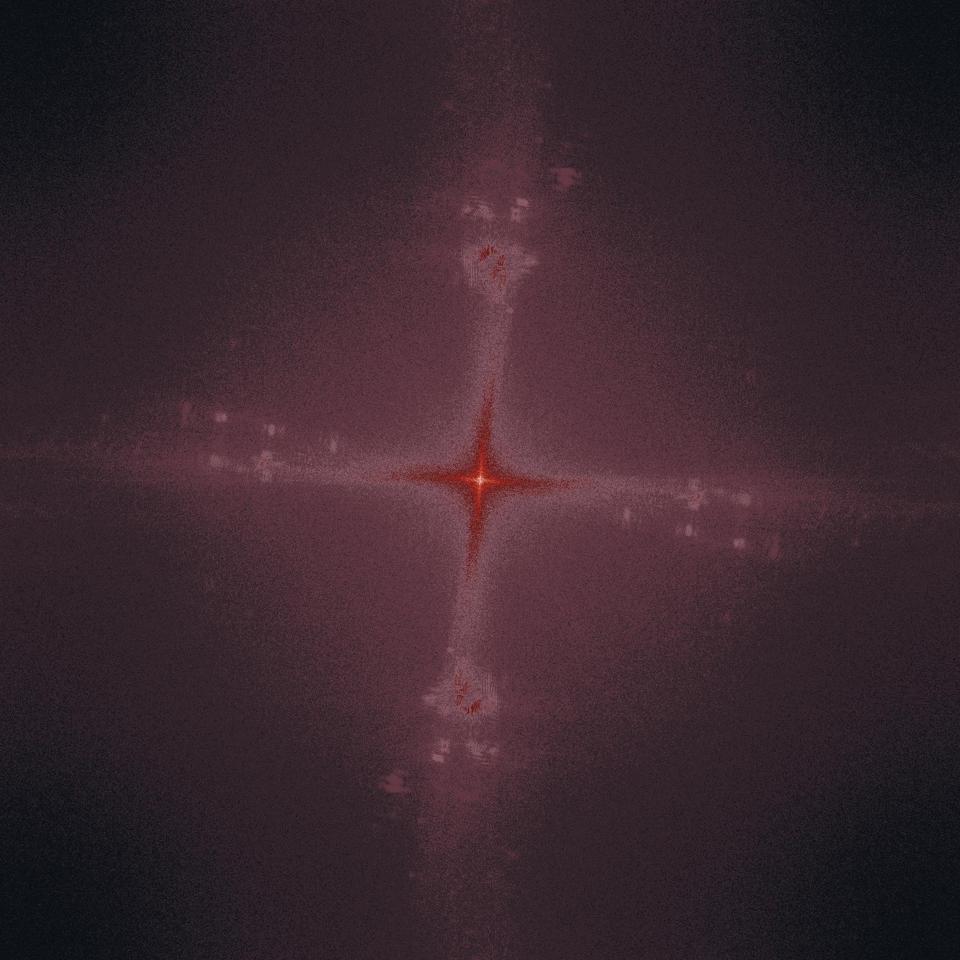
Top down of local houses at Melaka, Malaysia
Based on "Top down of local houses at Melaka, Malaysia" by Izuddin Helmi Adnan (Malacca, Malaysia). Source: https://unsplash.com/@izuddinhelmi via Unsplash.
Published Mar 12, 2026
Source Top down of local houses at Melaka, Malaysia
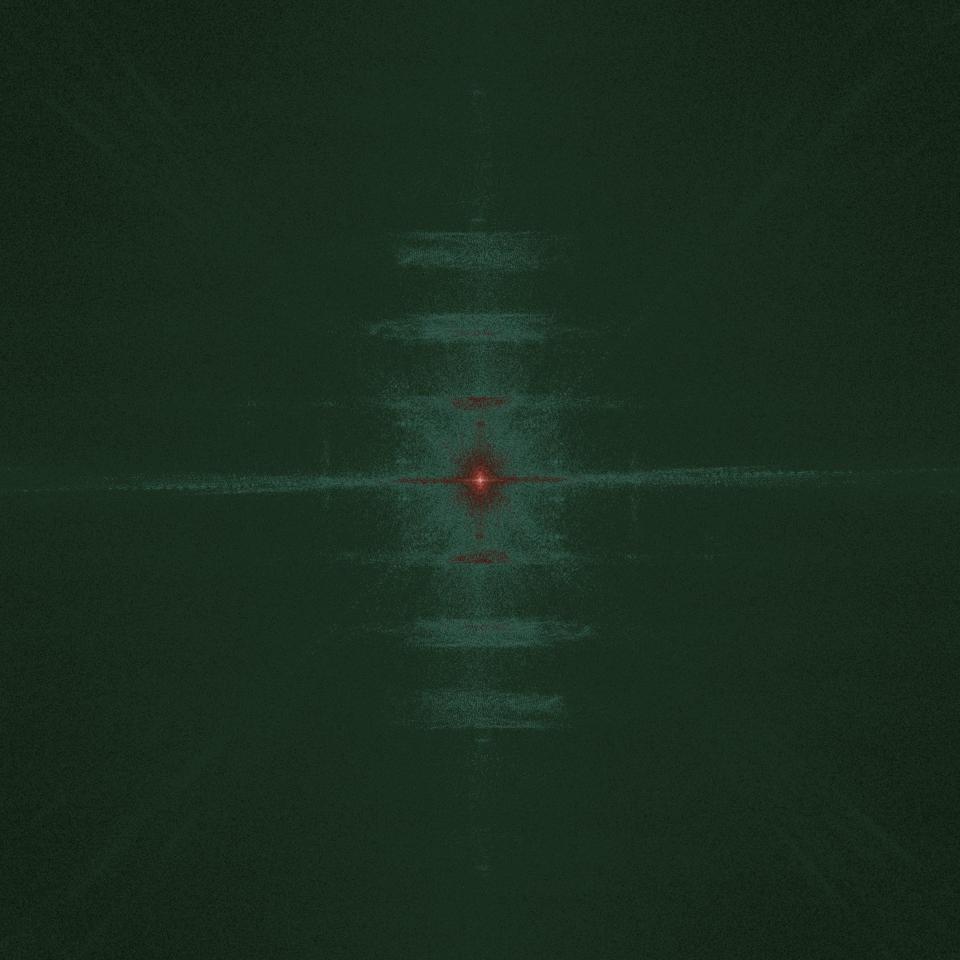
Perfect symmetry from above ✨ Captured with the DJI Air 3S, this top-down aerial shot of Ahrensburg…
Based on "Perfect symmetry from above ✨ Captured with the DJI Air 3S, this top-down aerial shot of Ahrensburg…" by Frank Algermissen (Ahrensburg, Deutschland). Source: https://unsplash.com/@frankyalgermissen via Unsplash.
Published Mar 12, 2026
Source Perfect symmetry from above ✨ Captured with the DJI Air 3S, this top-down aerial shot of Ahrensburg…
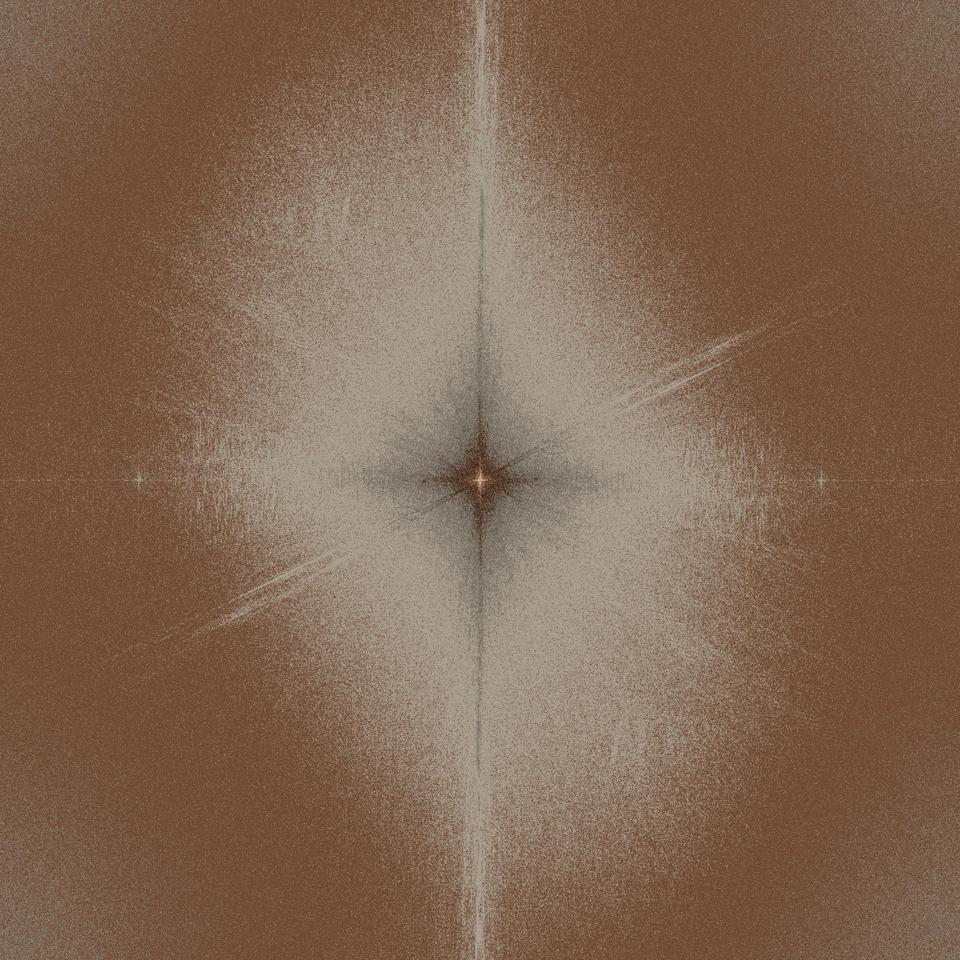
A lady making traditional outfits for their festivals
Based on "A lady making traditional outfits for their festivals" by Rohit Dey (Majuli, Assam, India). Source: https://unsplash.com/@rohit16dey via Unsplash.
Published Mar 12, 2026
Source A lady making traditional outfits for their festivals
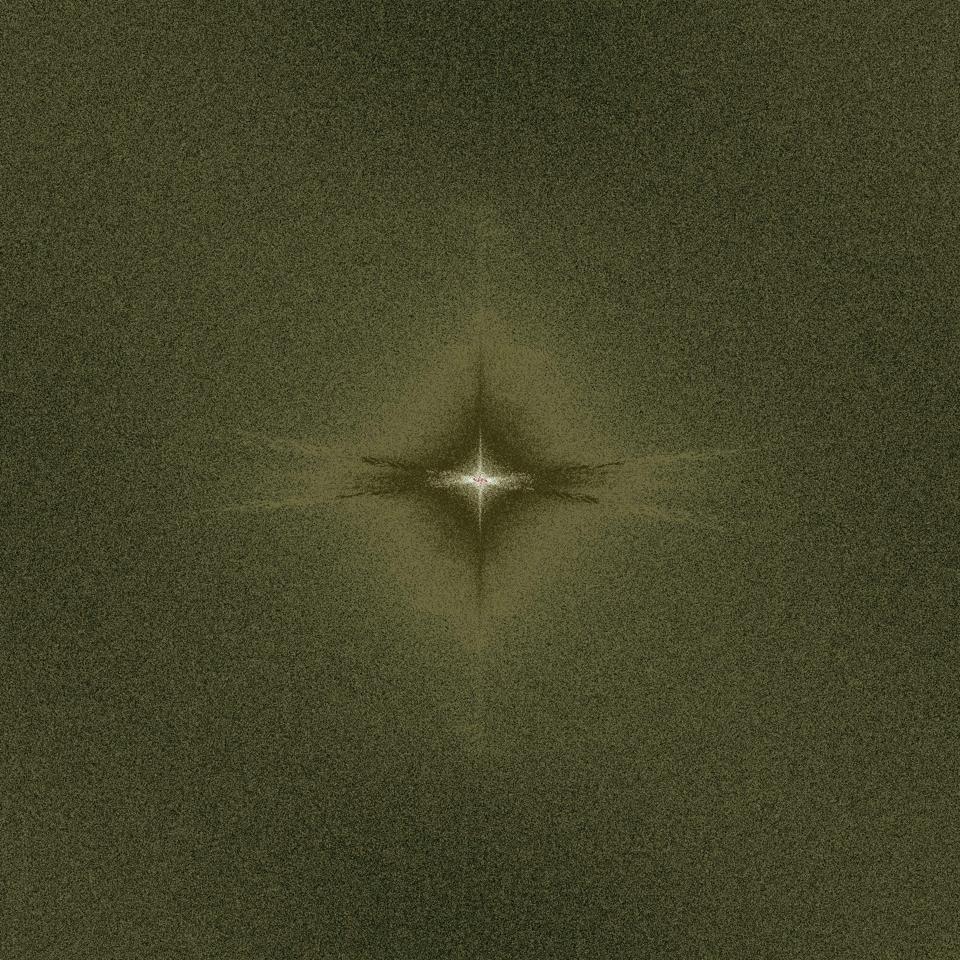
Close-up of industrial machinery inside a European weaving mill
Based on "Close-up of industrial machinery inside a European weaving mill" by Bergstrand Consultancy. Source: https://unsplash.com/@bergstrand via Unsplash.
Published Mar 12, 2026
Source Close-up of industrial machinery inside a European weaving mill
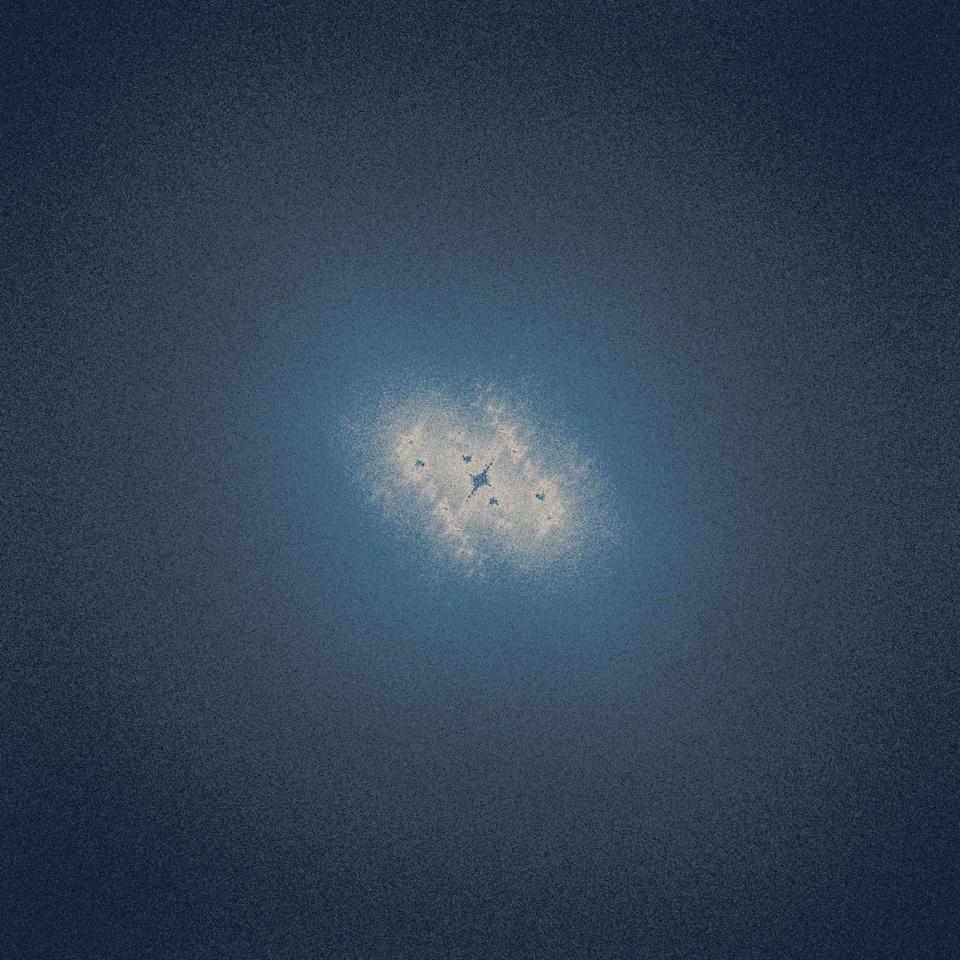
Jeans pocket
Based on "Jeans pocket" by engin akyurt. Source: https://unsplash.com/@enginakyurt via Unsplash.
Published Mar 12, 2026
Source Jeans pocket
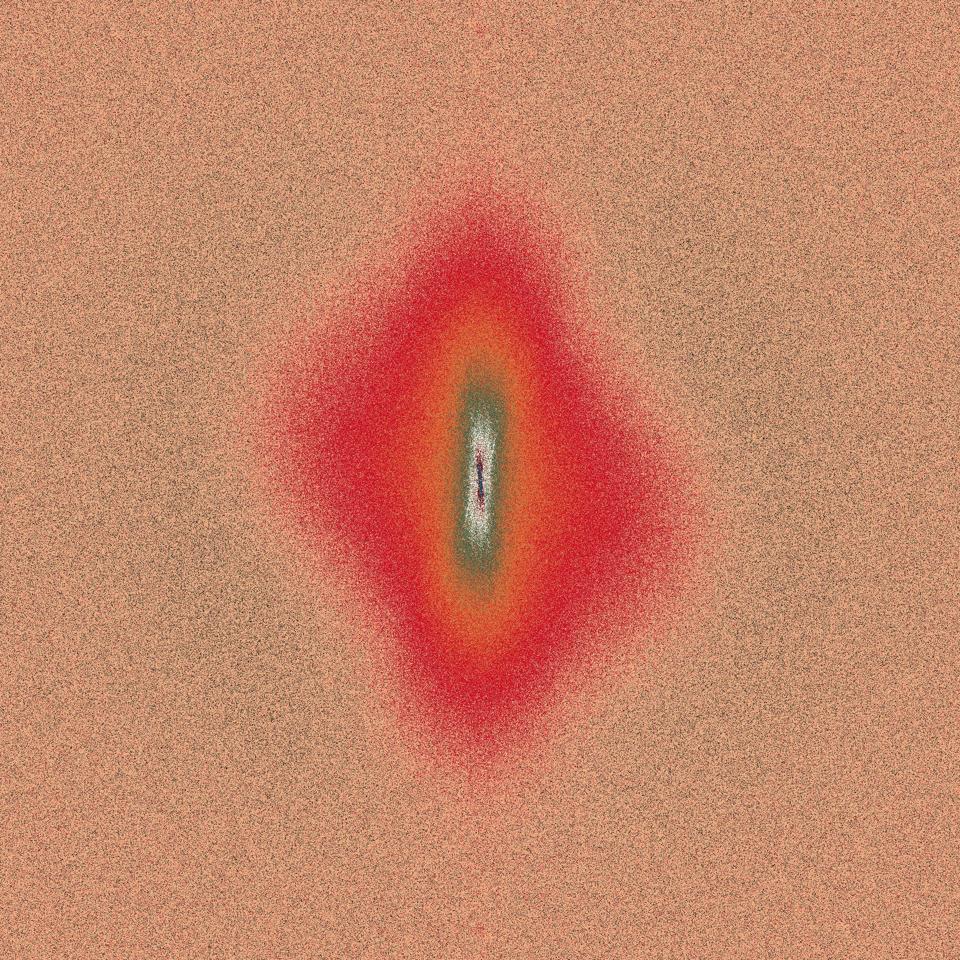
Multicoloured string
Based on "Multicoloured string" by Chris Curry. Source: https://unsplash.com/@chriscurry92 via Unsplash.
Published Mar 12, 2026
Source Multicoloured string
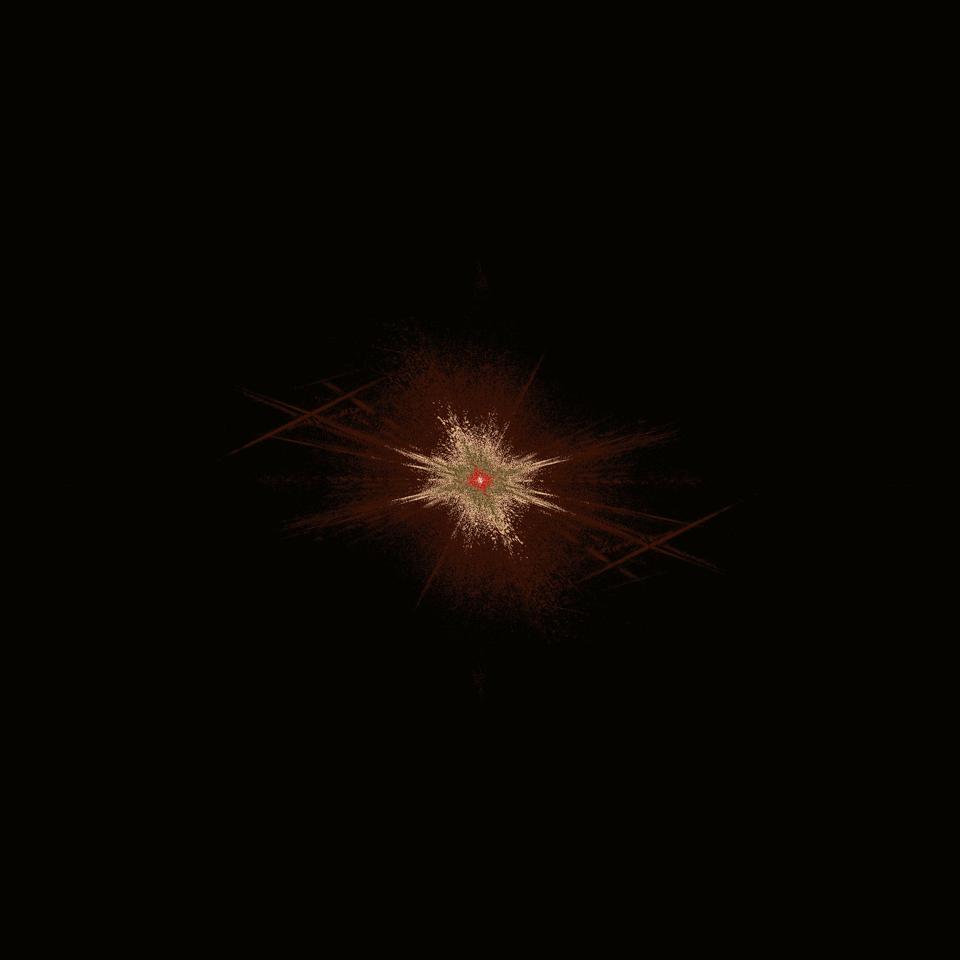
Red yarn wound on a wooden spindle
Based on "Red yarn wound on a wooden spindle" by Bernd 📷 Dittrich (Hanoi, Vietnam). Source: https://unsplash.com/@hdbernd via Unsplash.
Published Mar 12, 2026
Source Red yarn wound on a wooden spindle
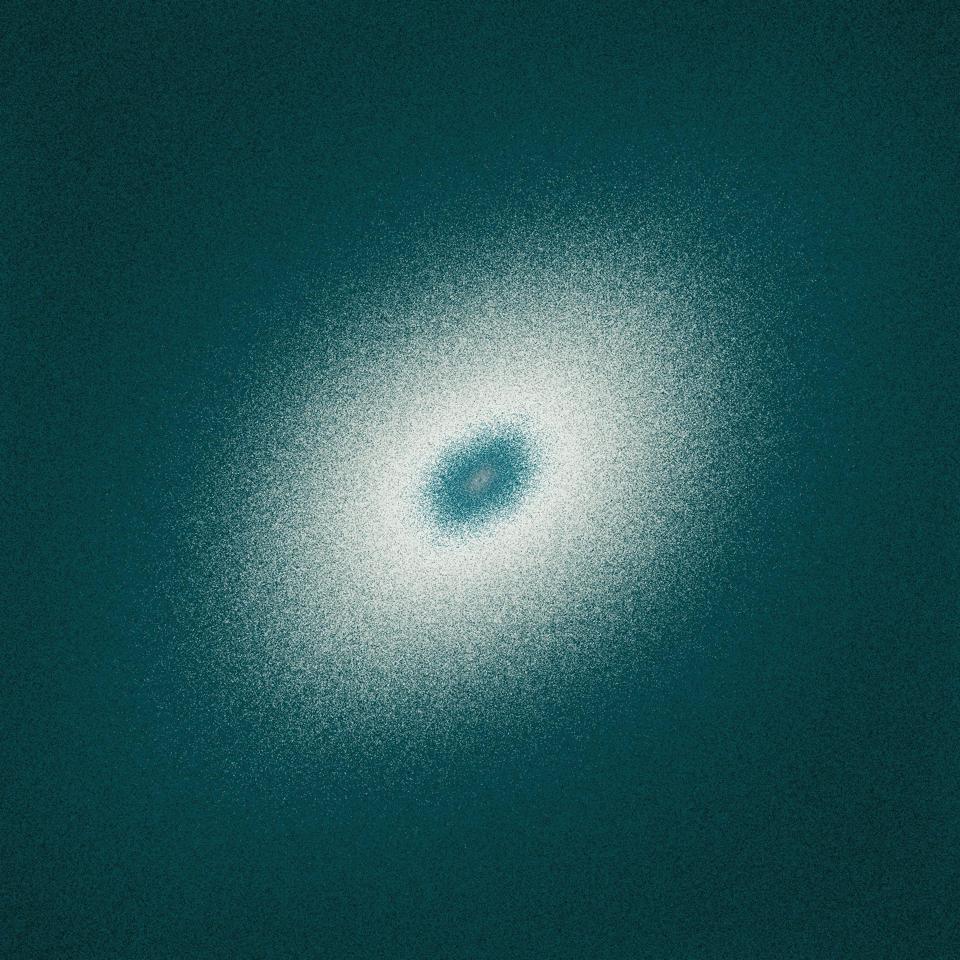
Turquoise ocean waves with white foam
Based on "Turquoise ocean waves with white foam" by Isaac Maffeis (Santander, Spagna). Source: https://unsplash.com/@isaacmaffeis via Unsplash.
Published Mar 12, 2026
Source Turquoise ocean waves with white foam