Journey in Q Space

Series

KALEIDOSCOPES

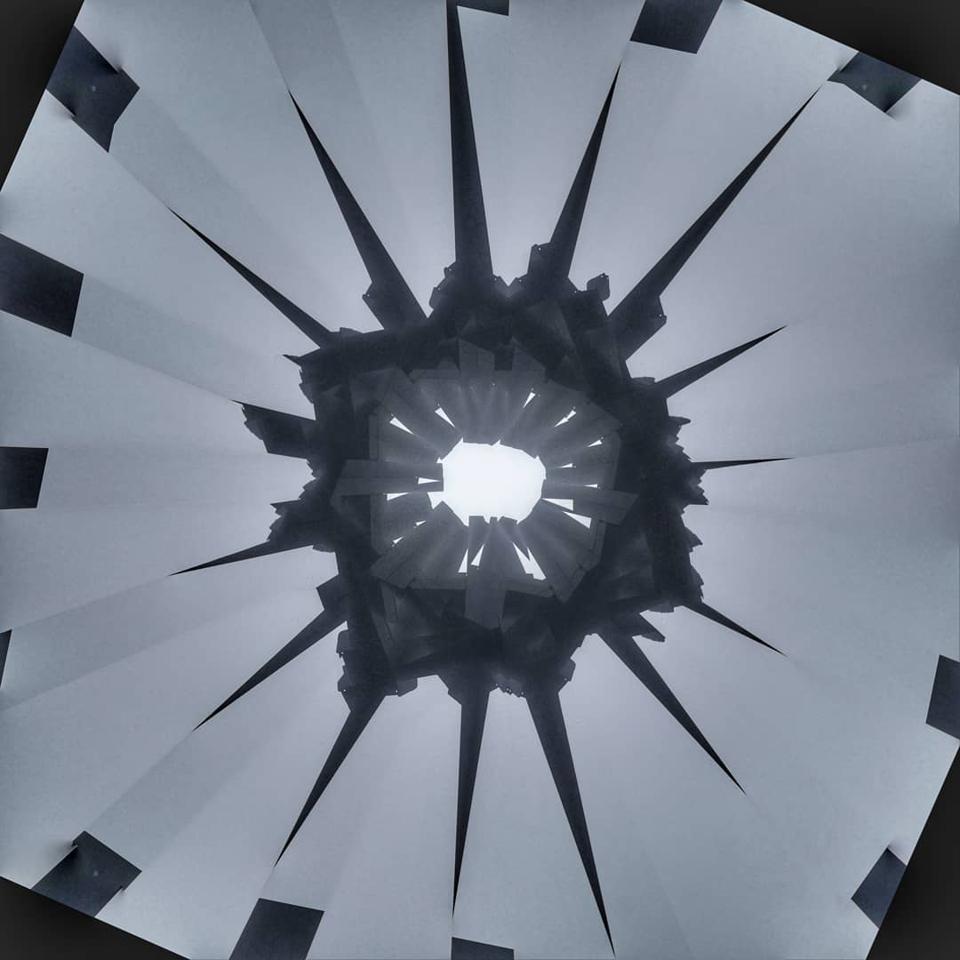
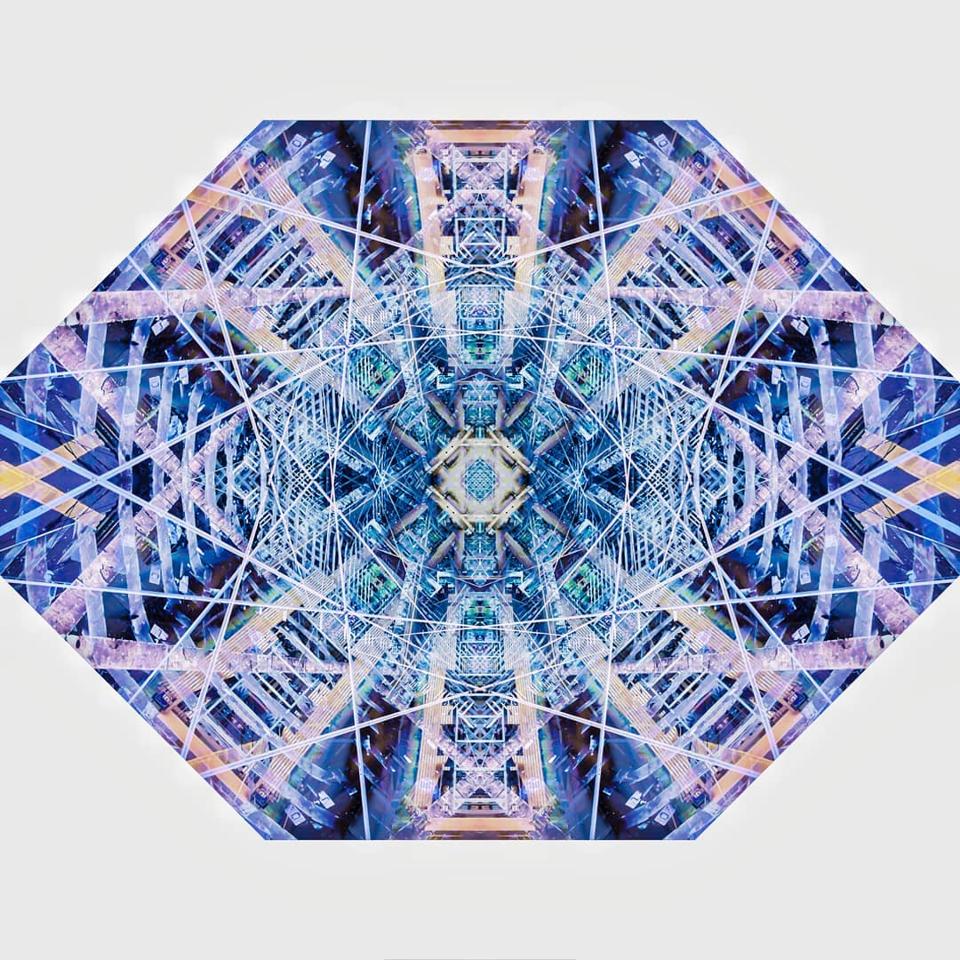
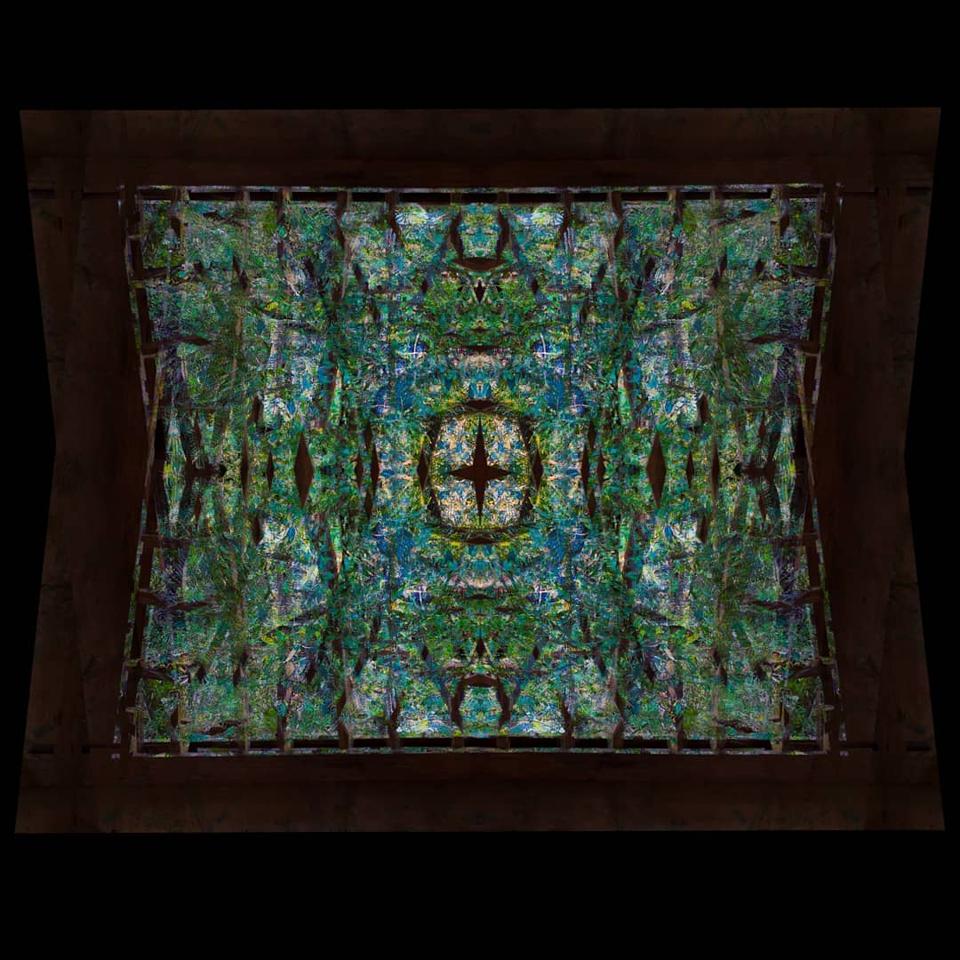
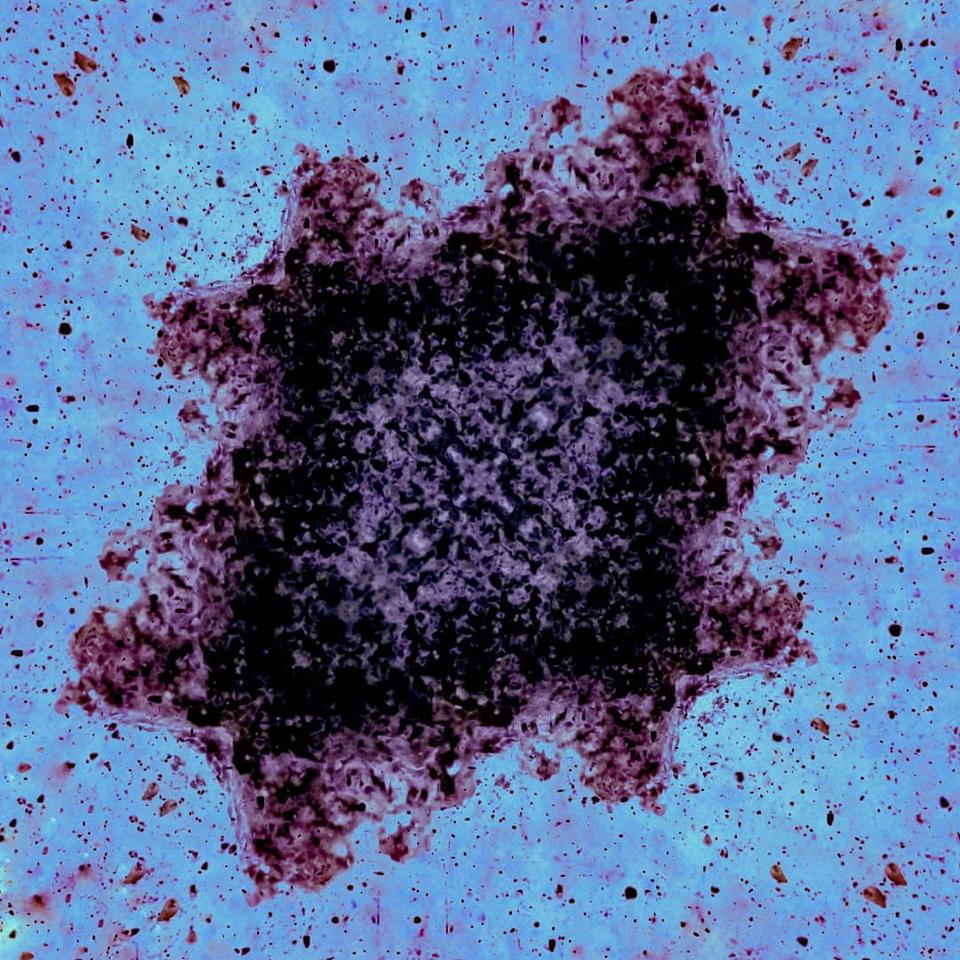
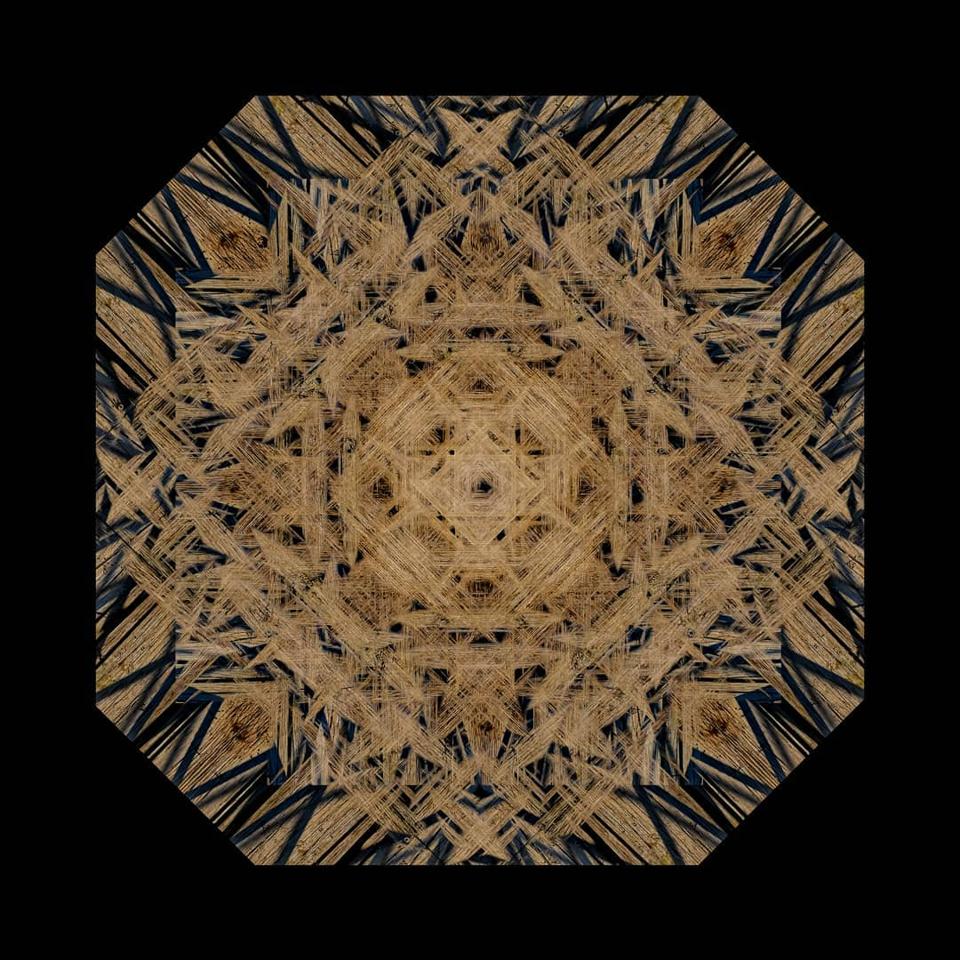
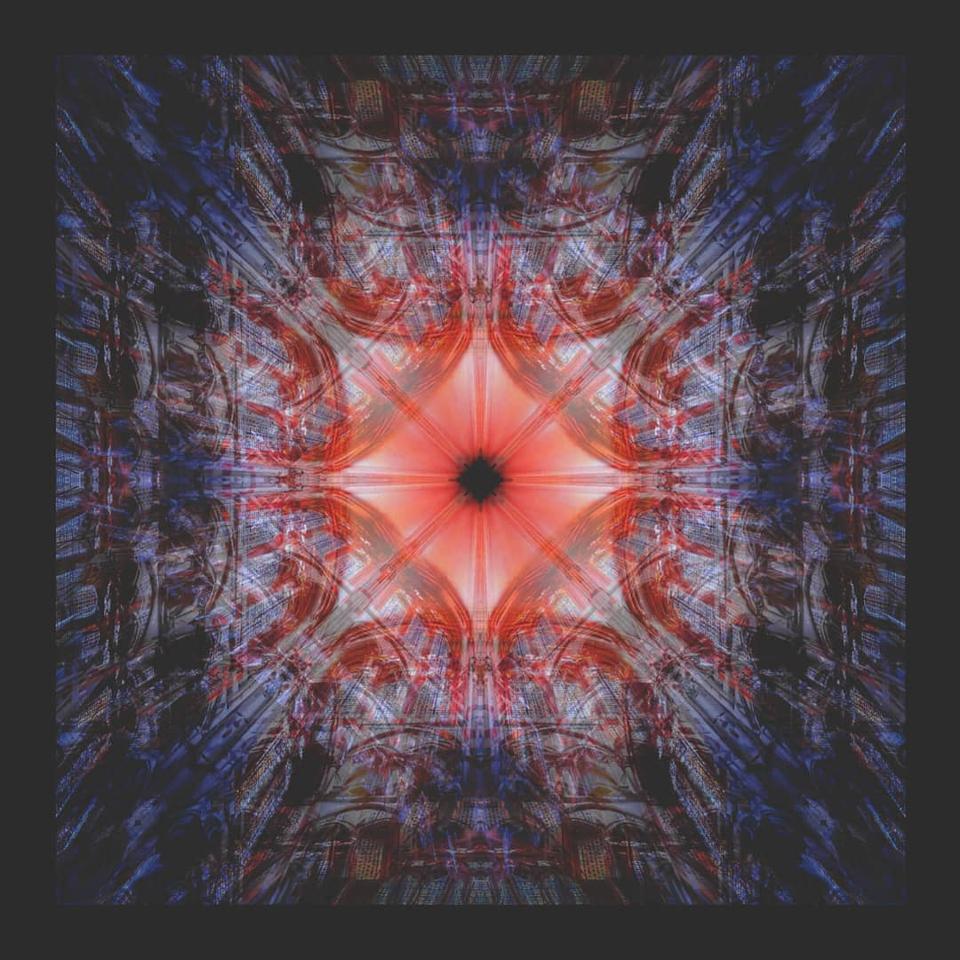
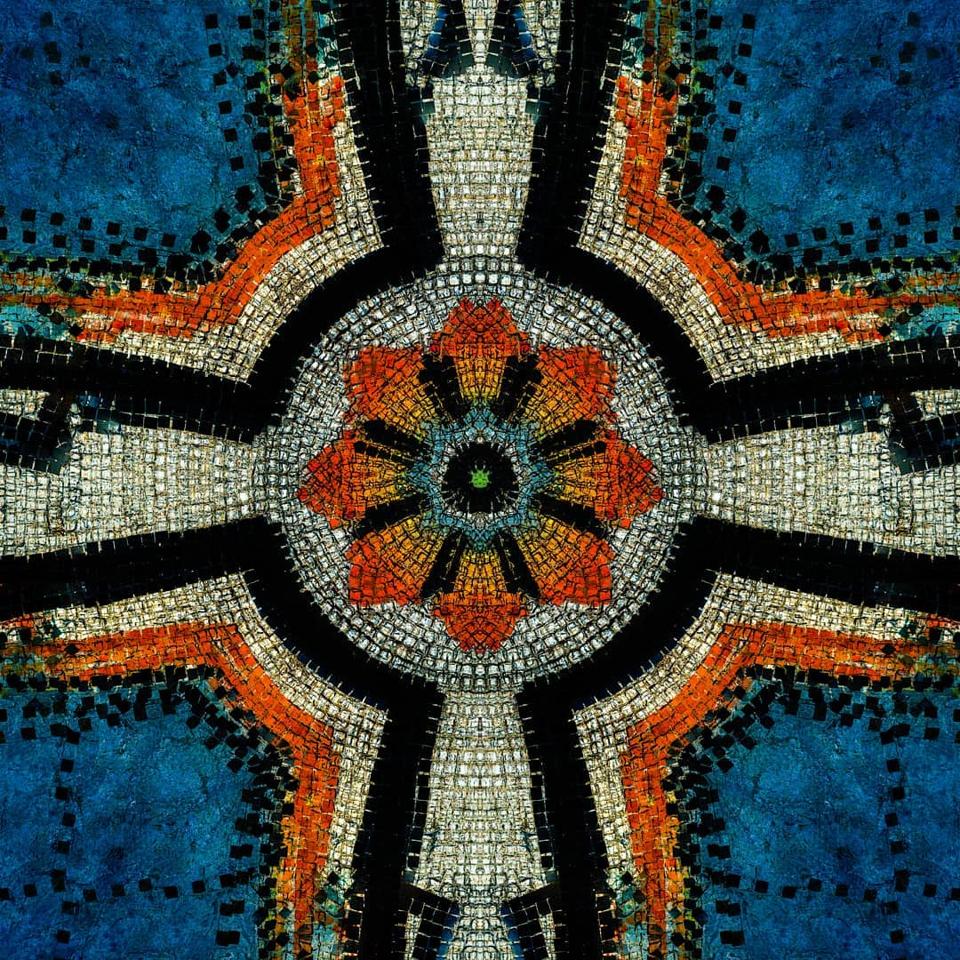
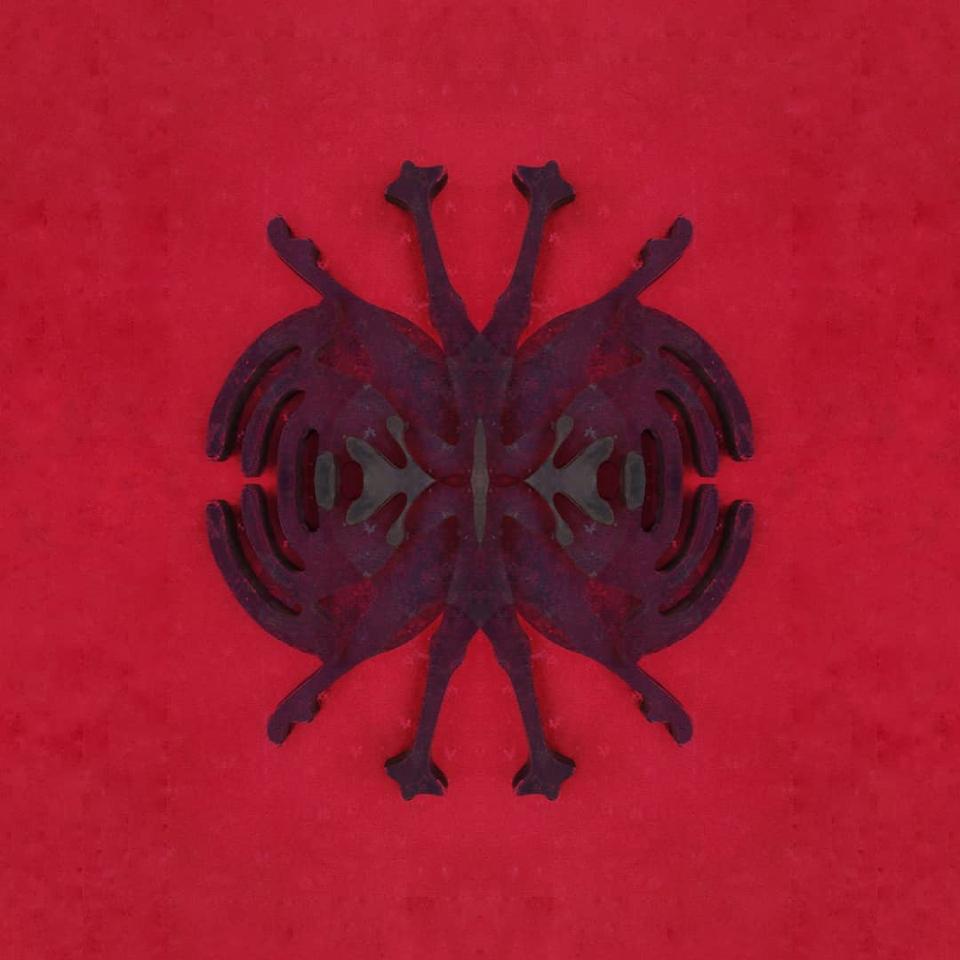
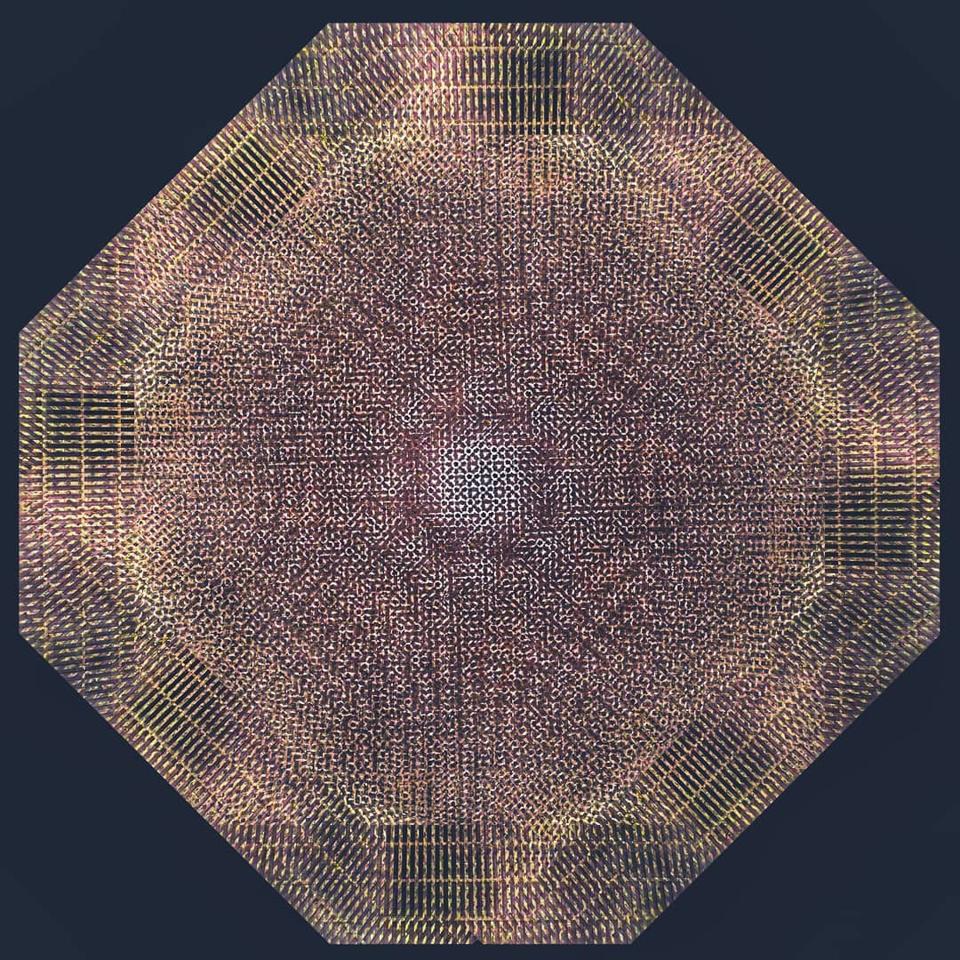
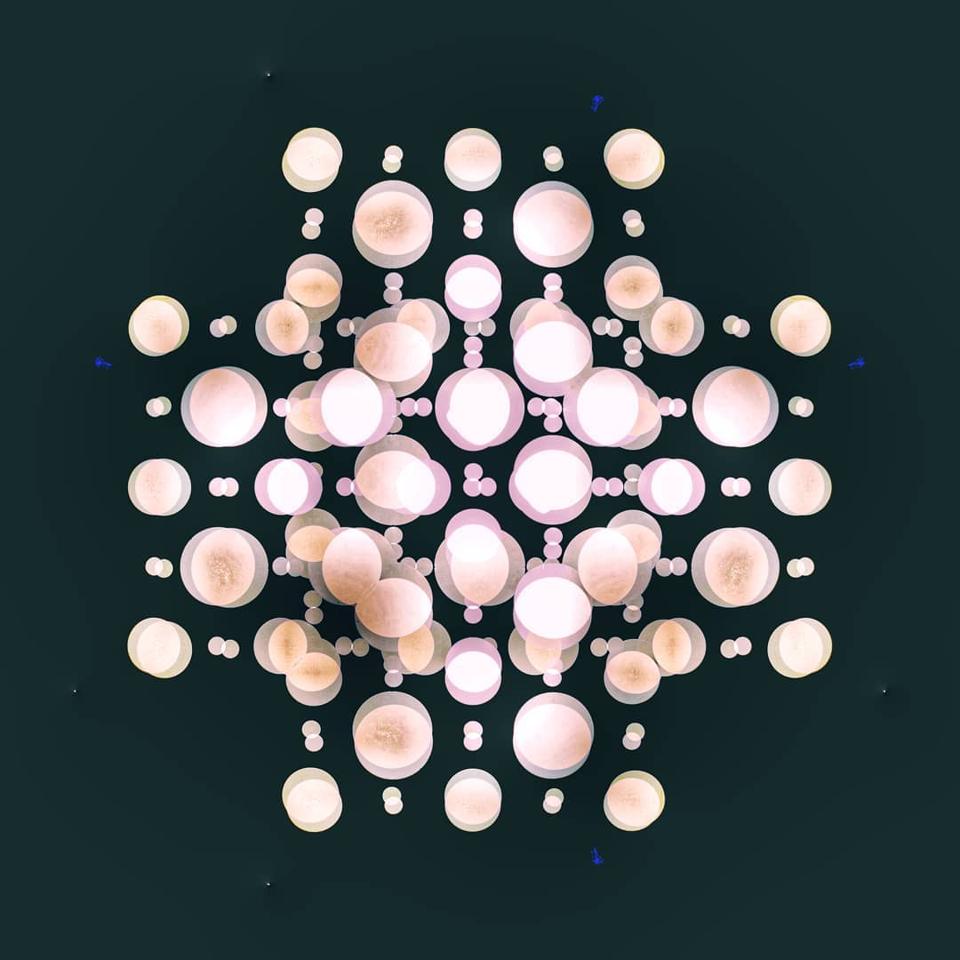
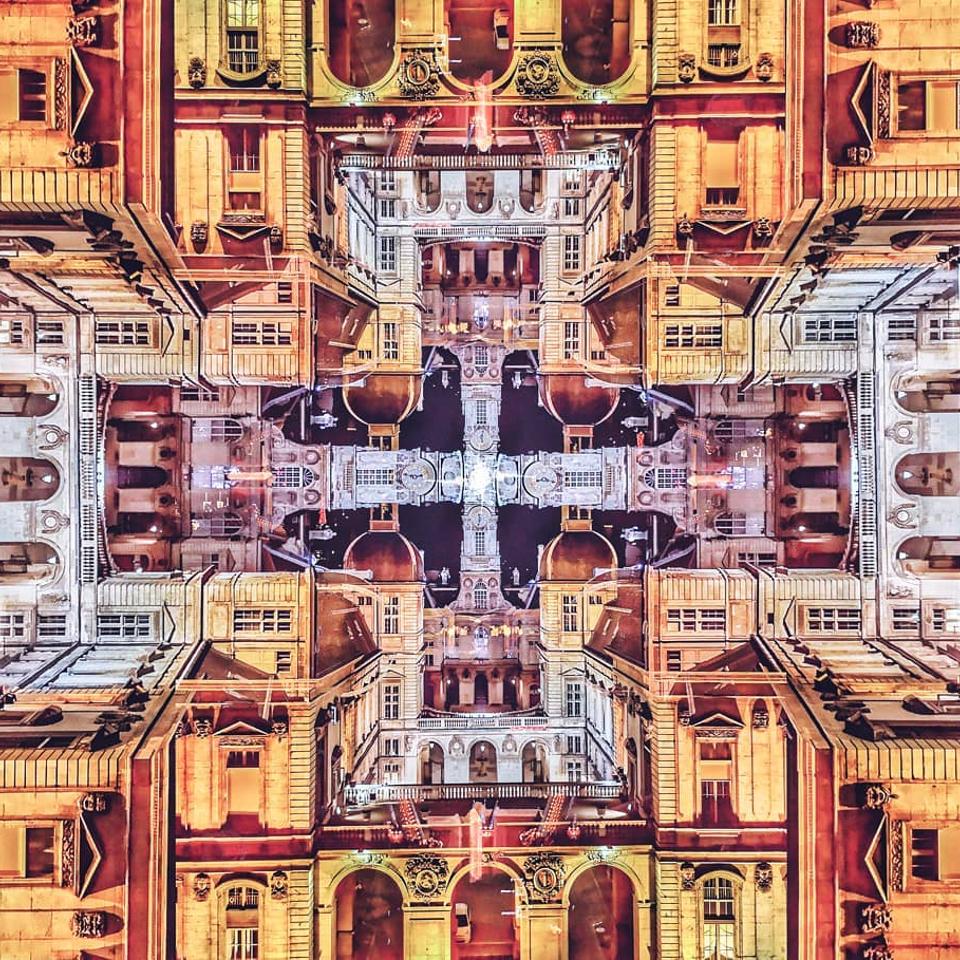
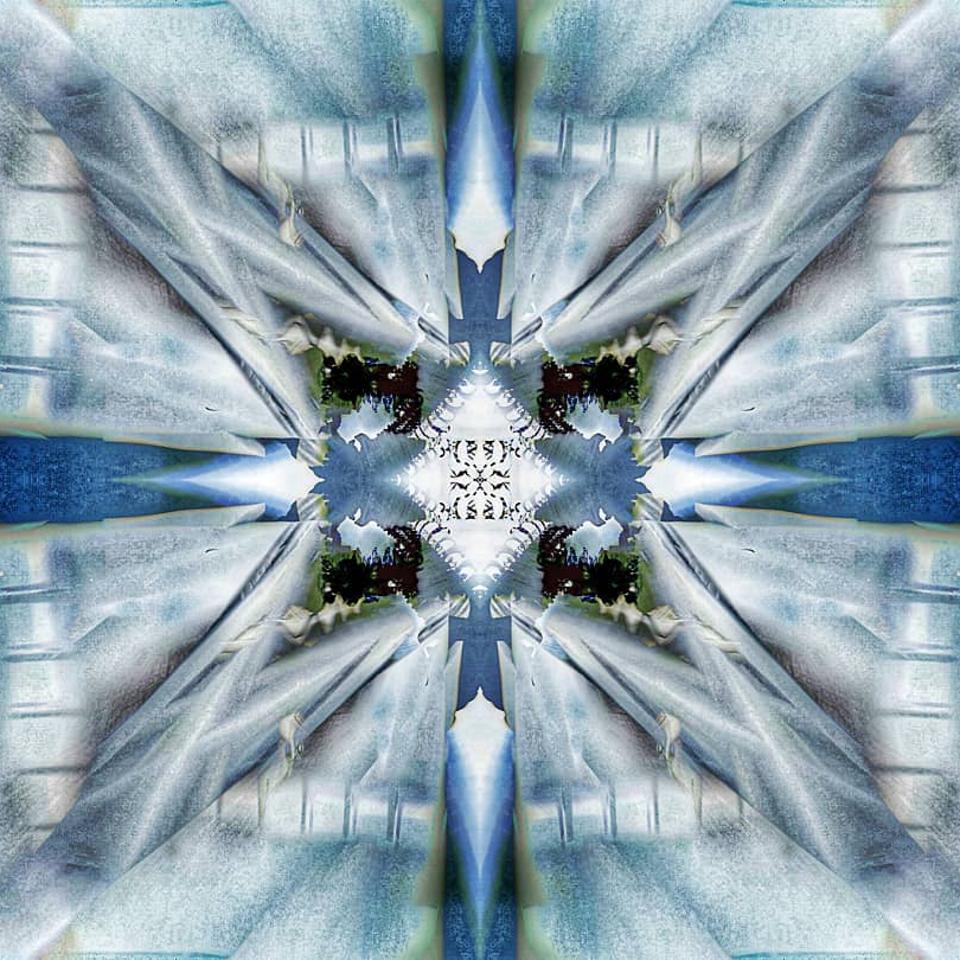
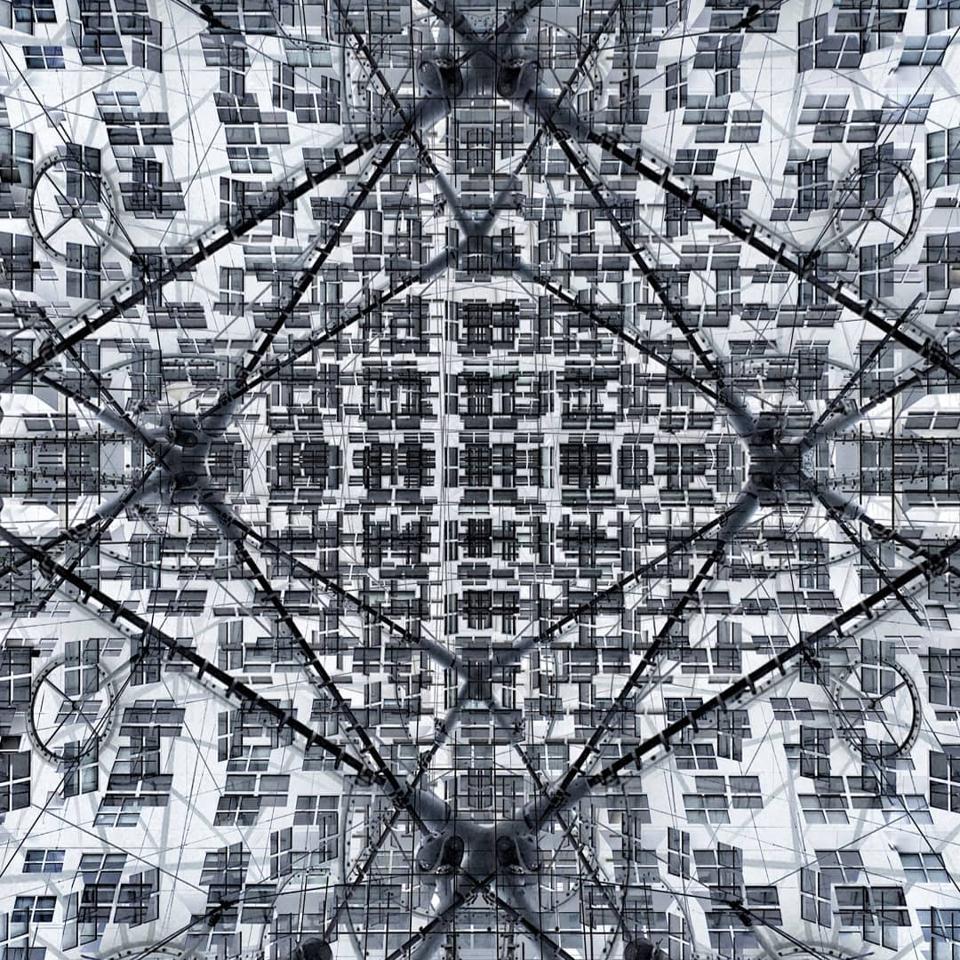
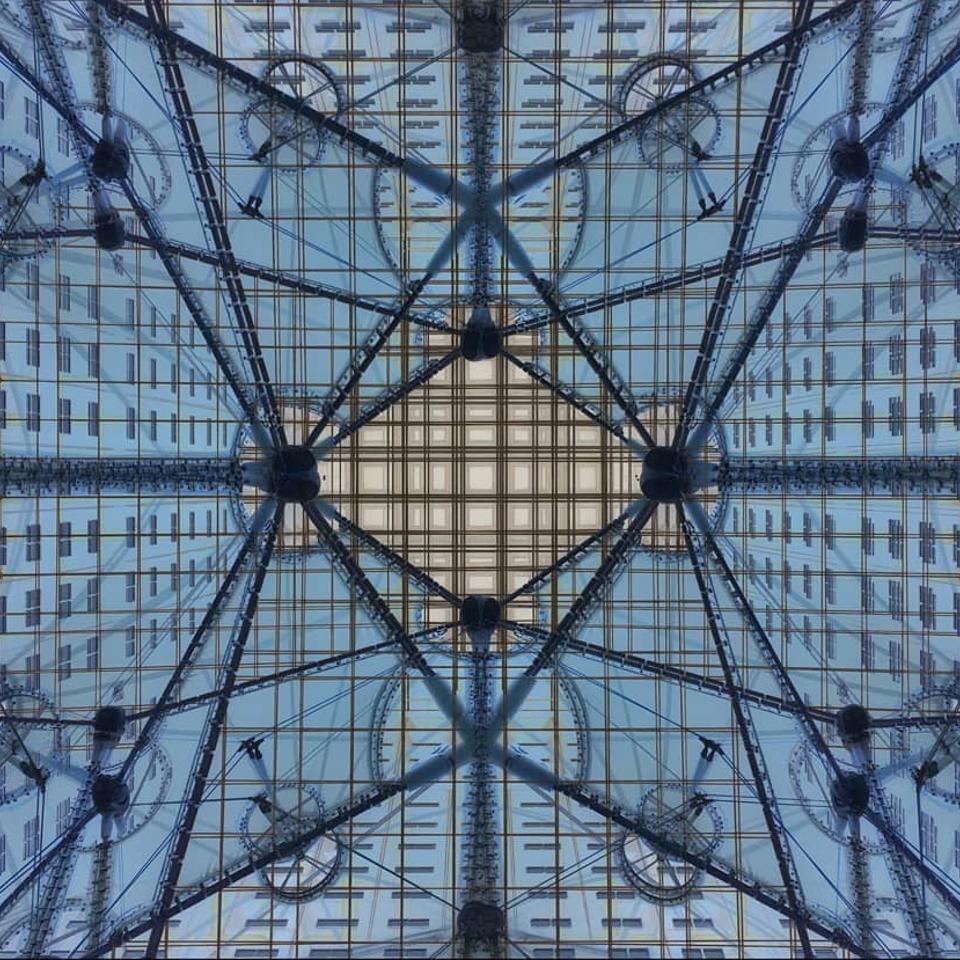
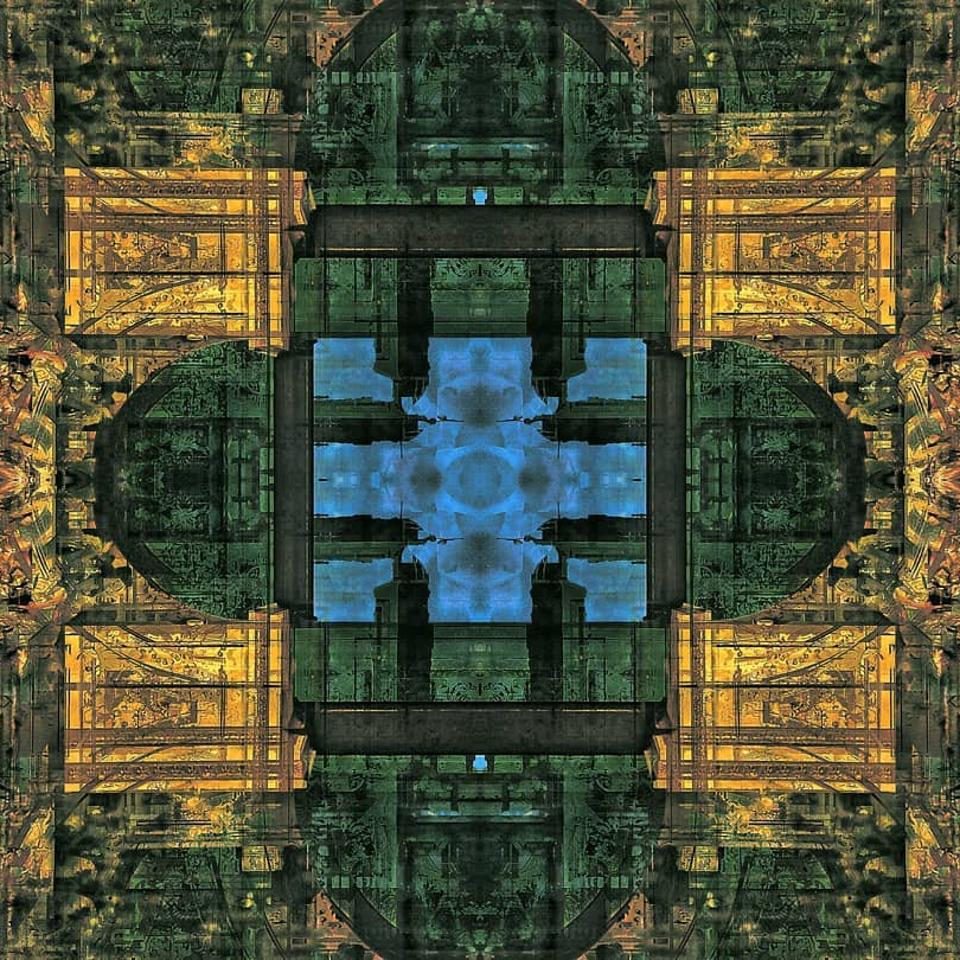
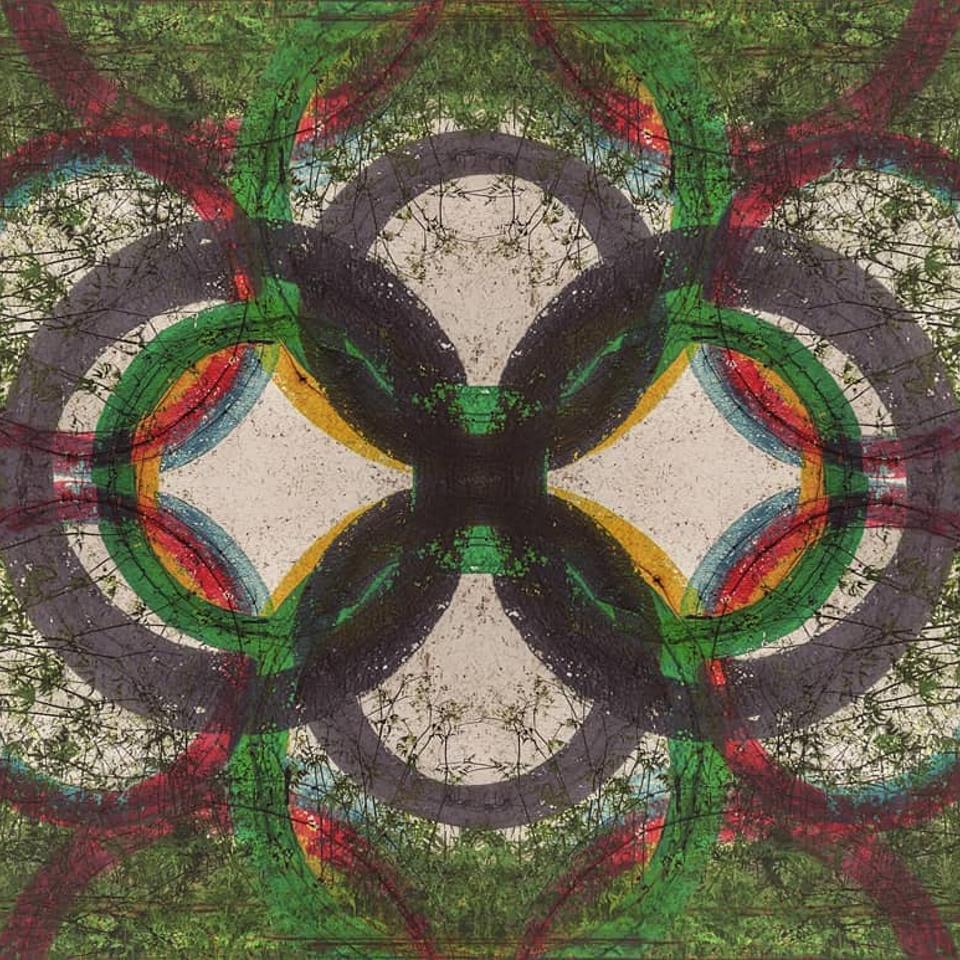
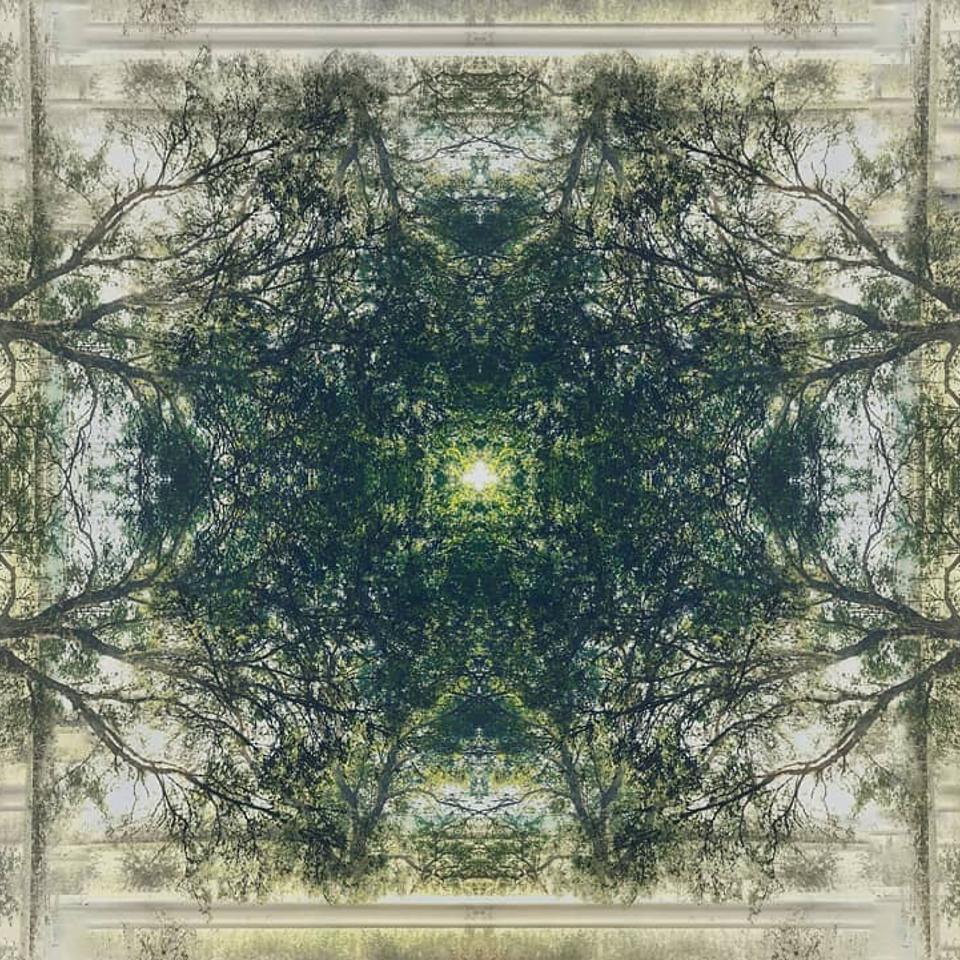
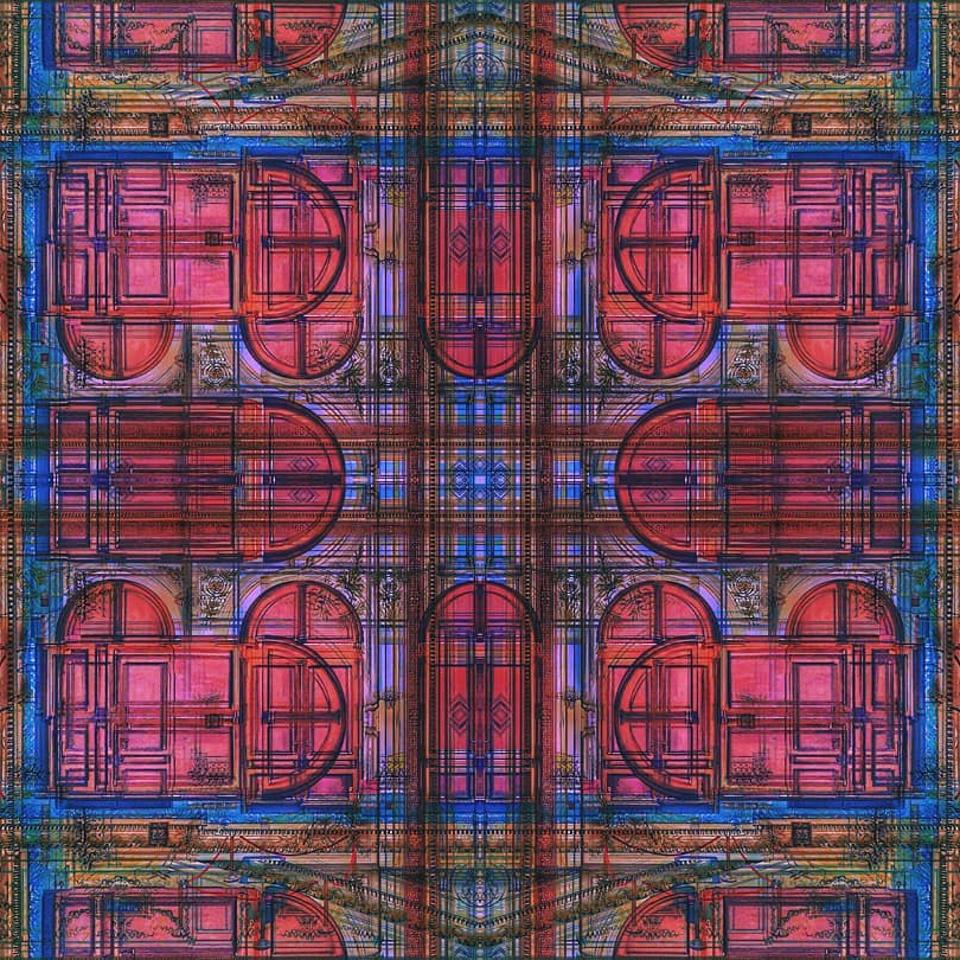
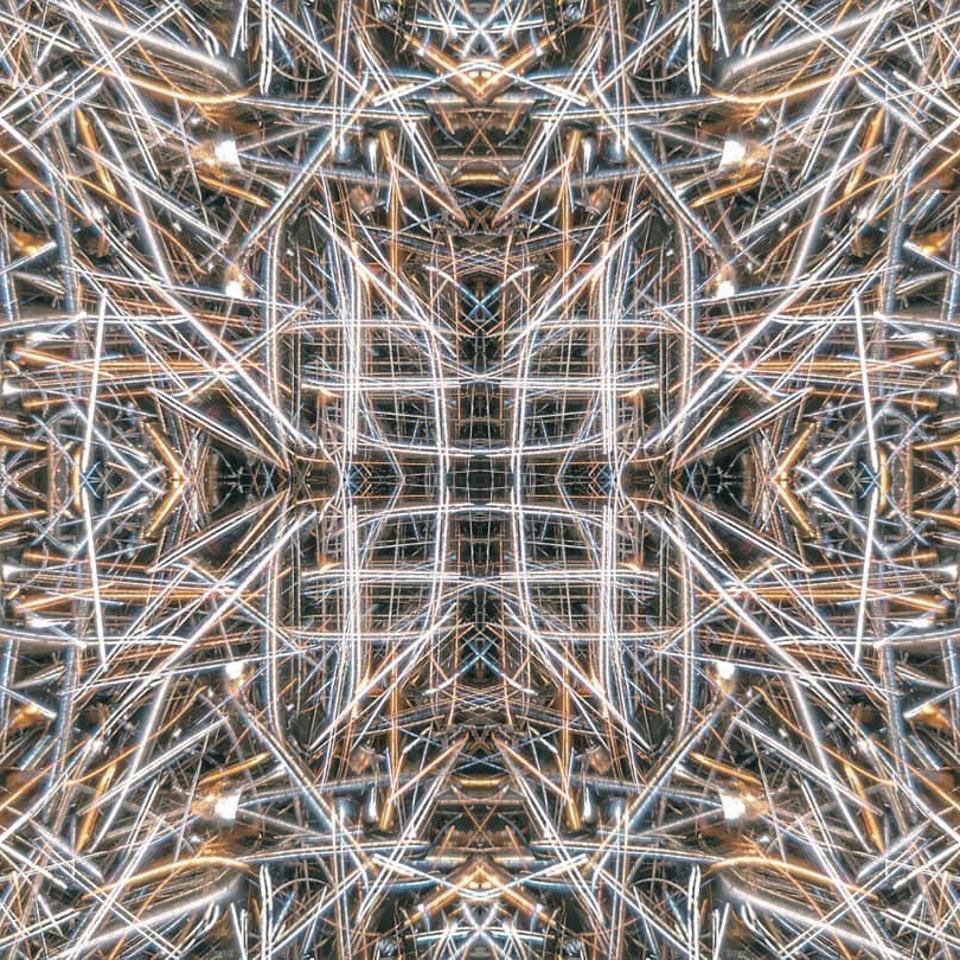
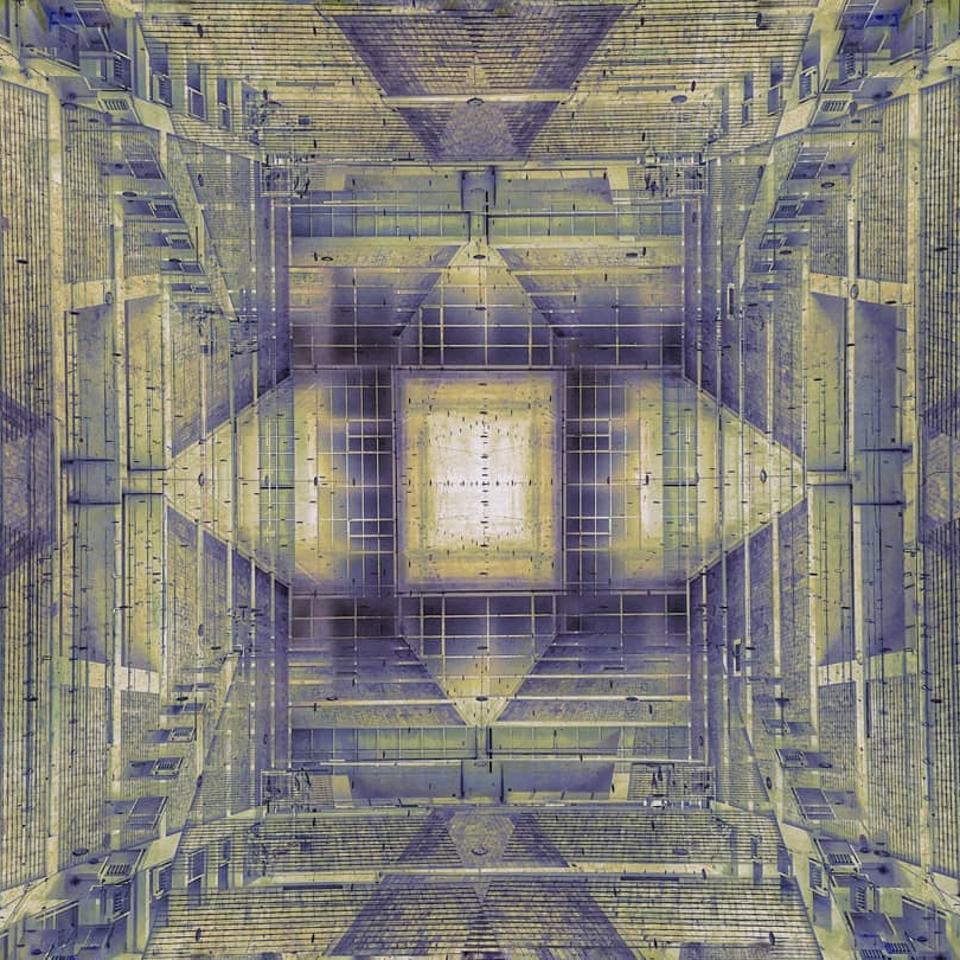
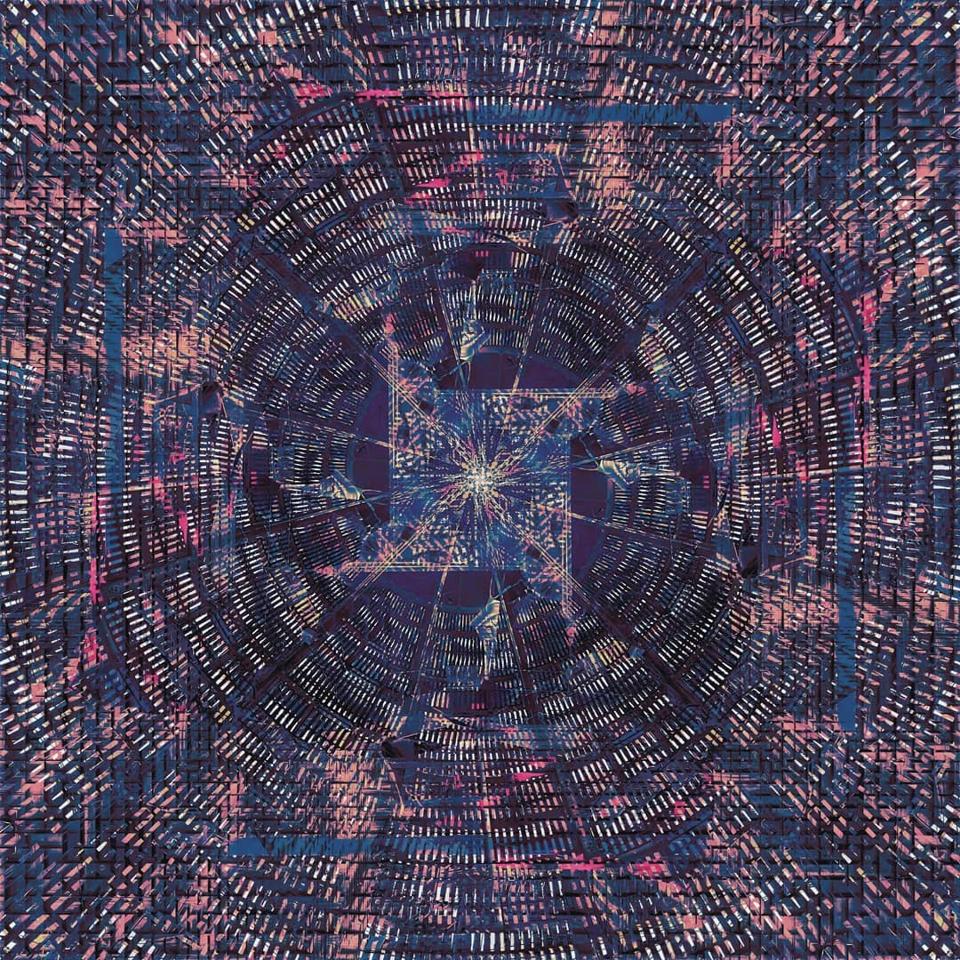
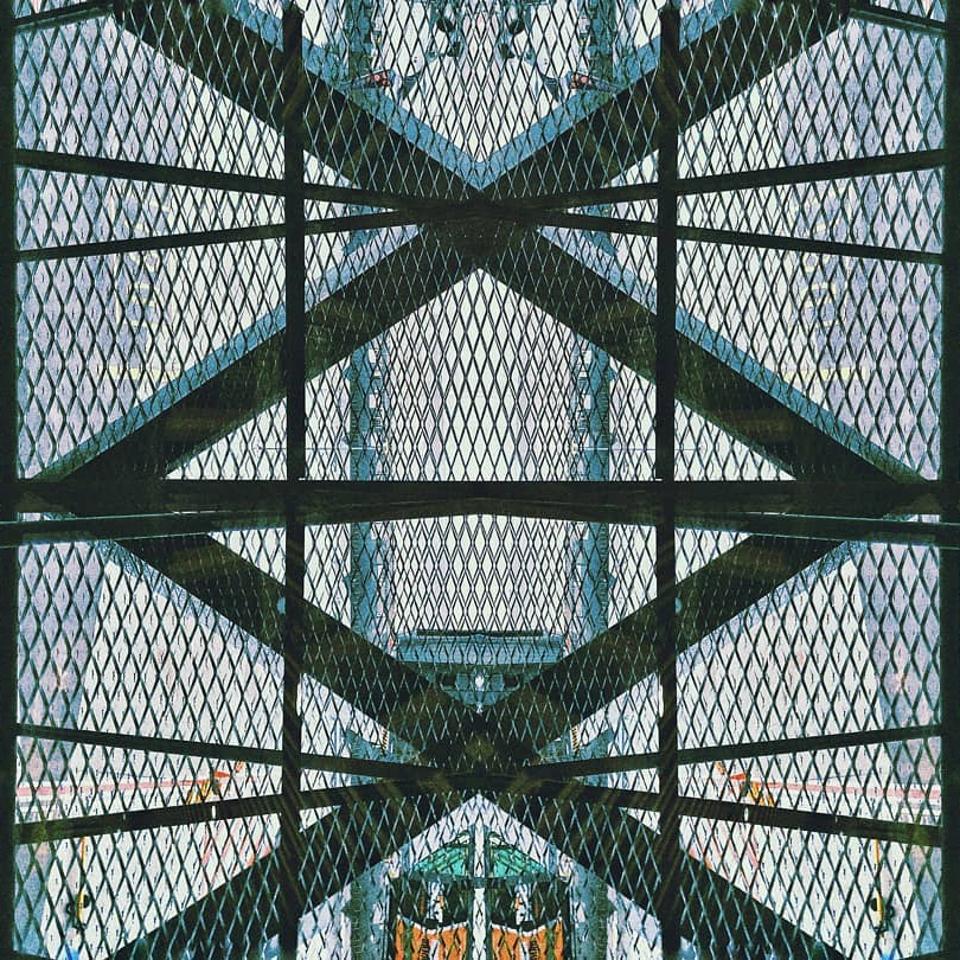
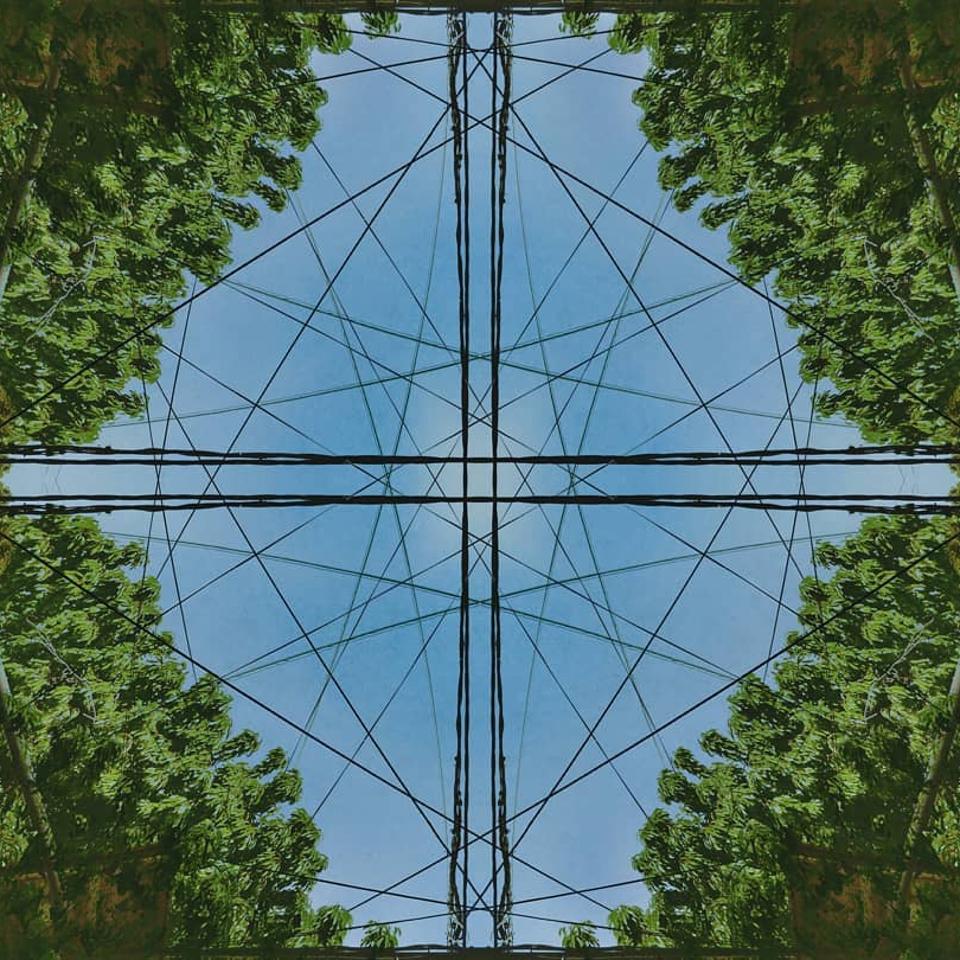
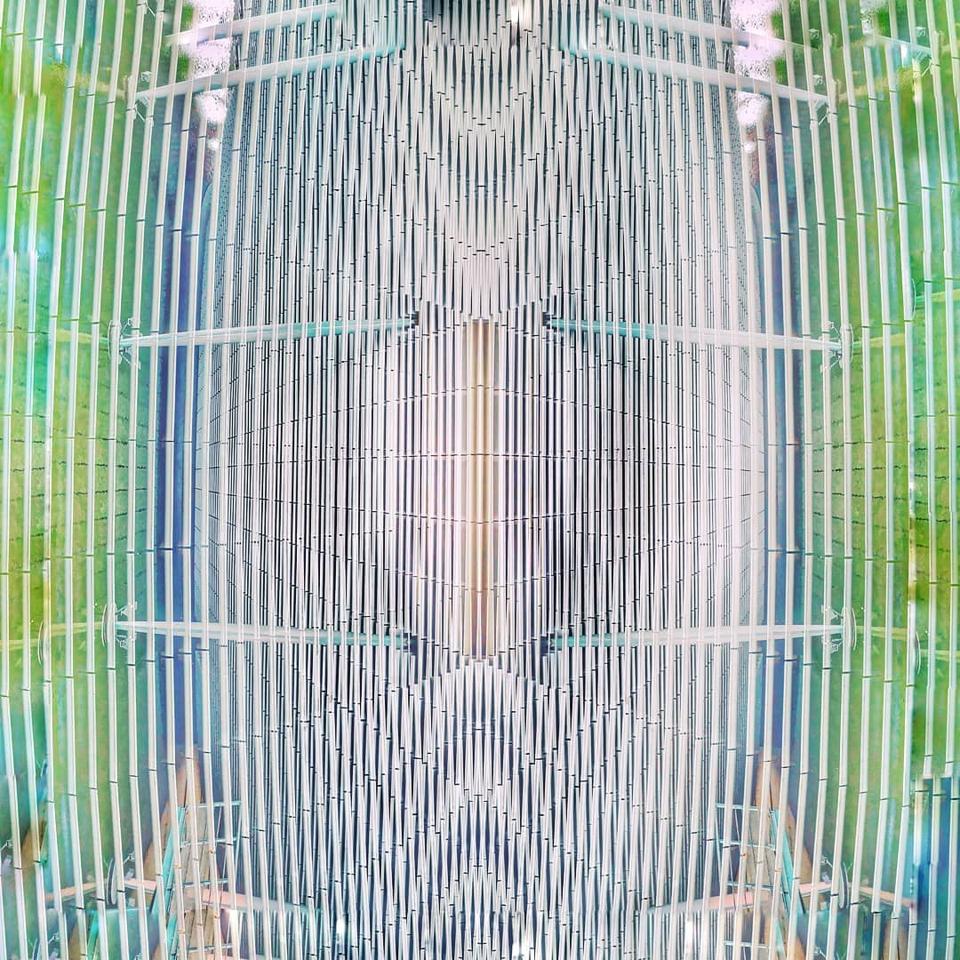
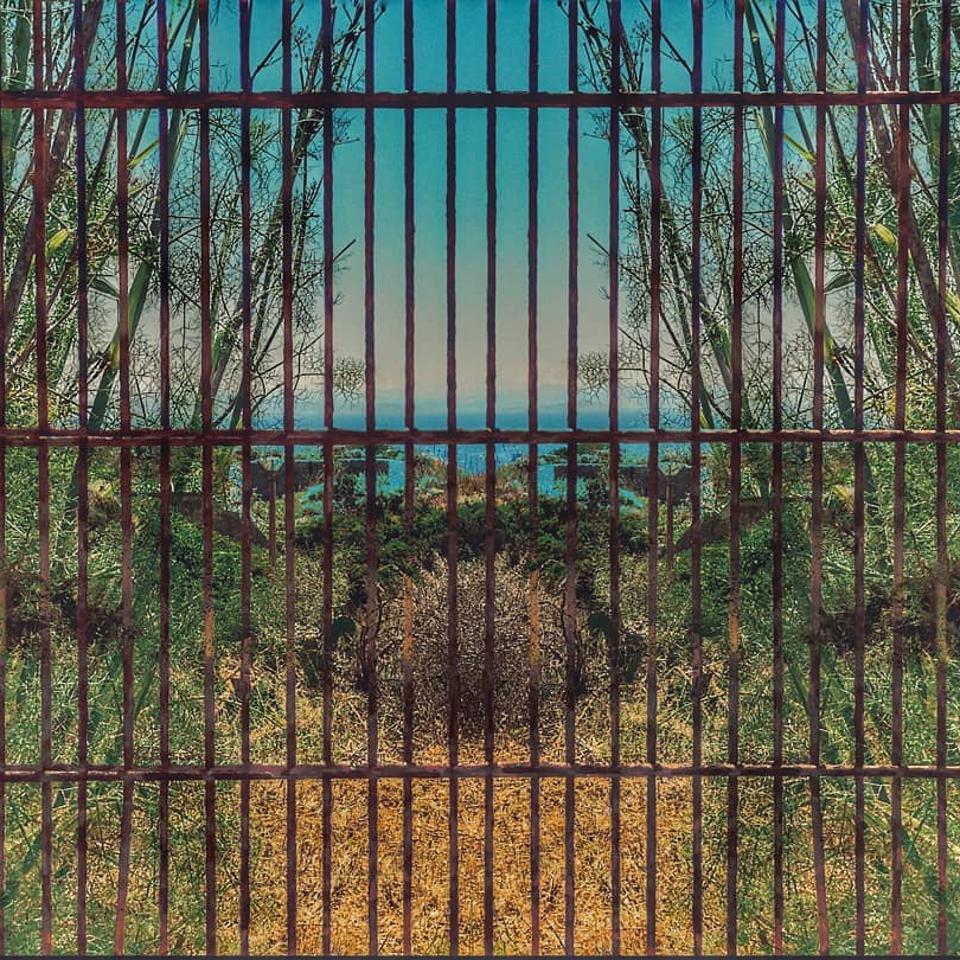
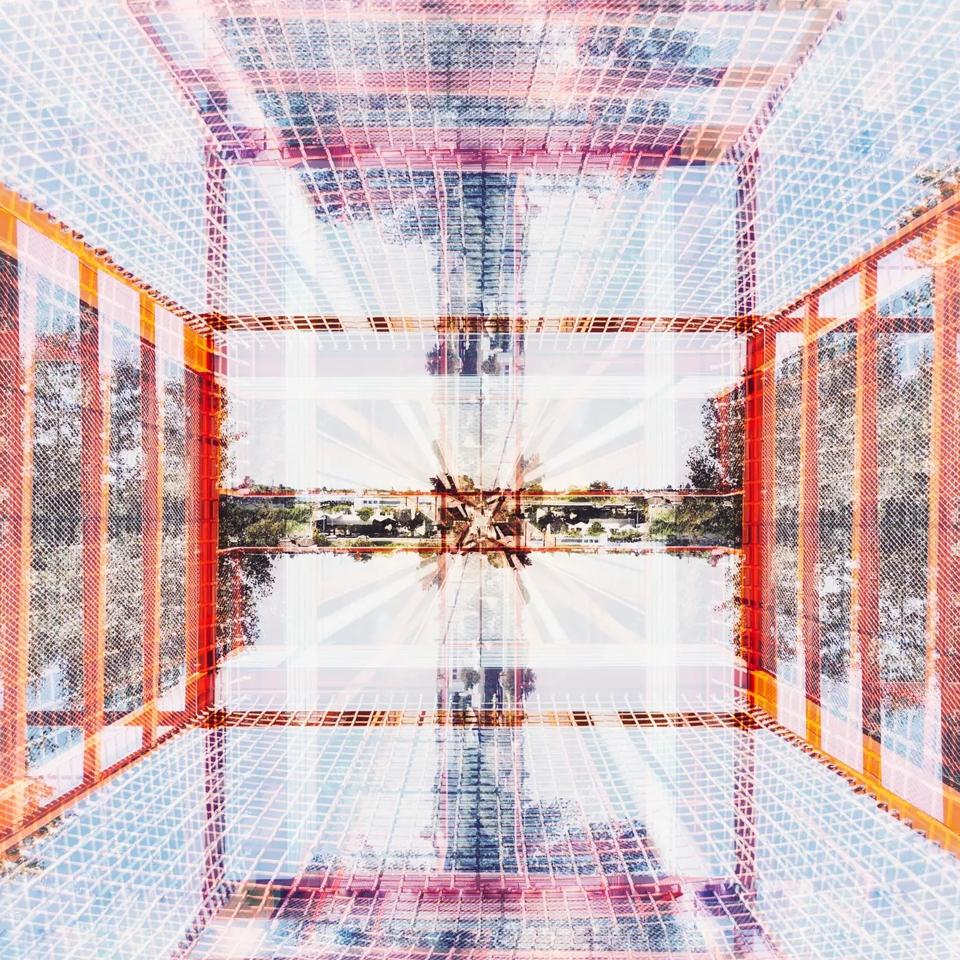
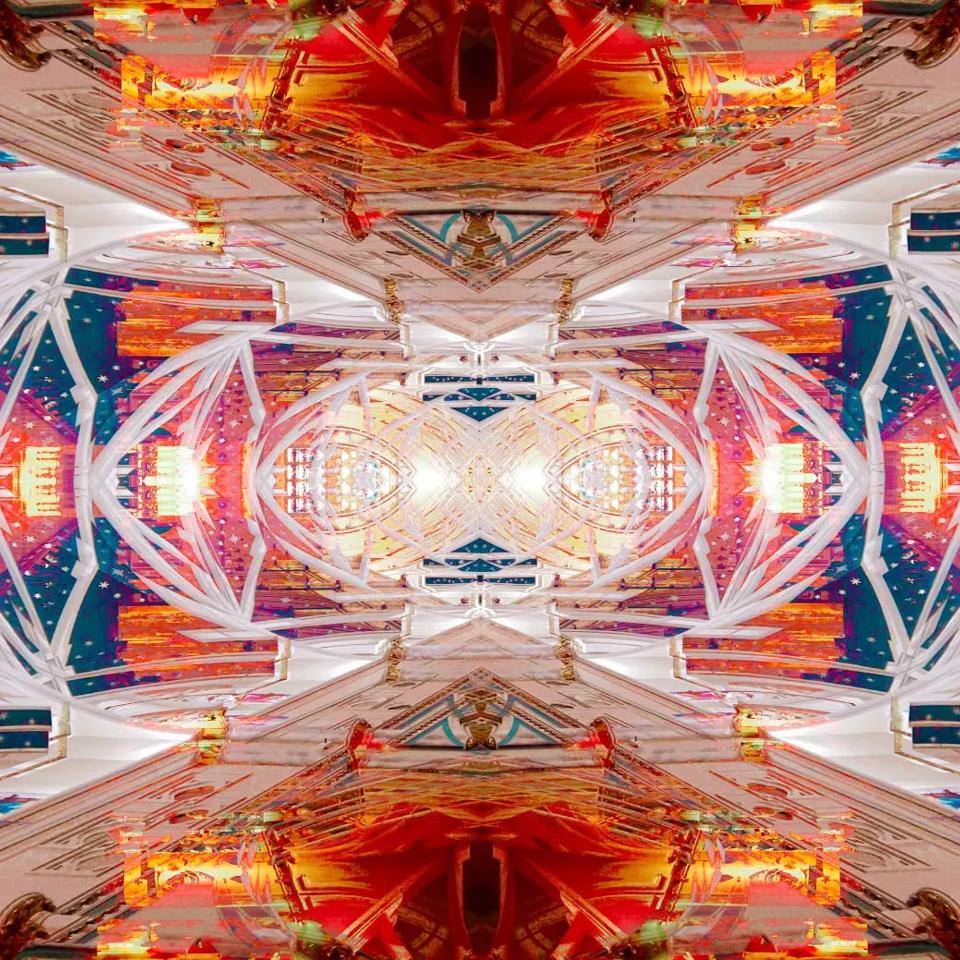
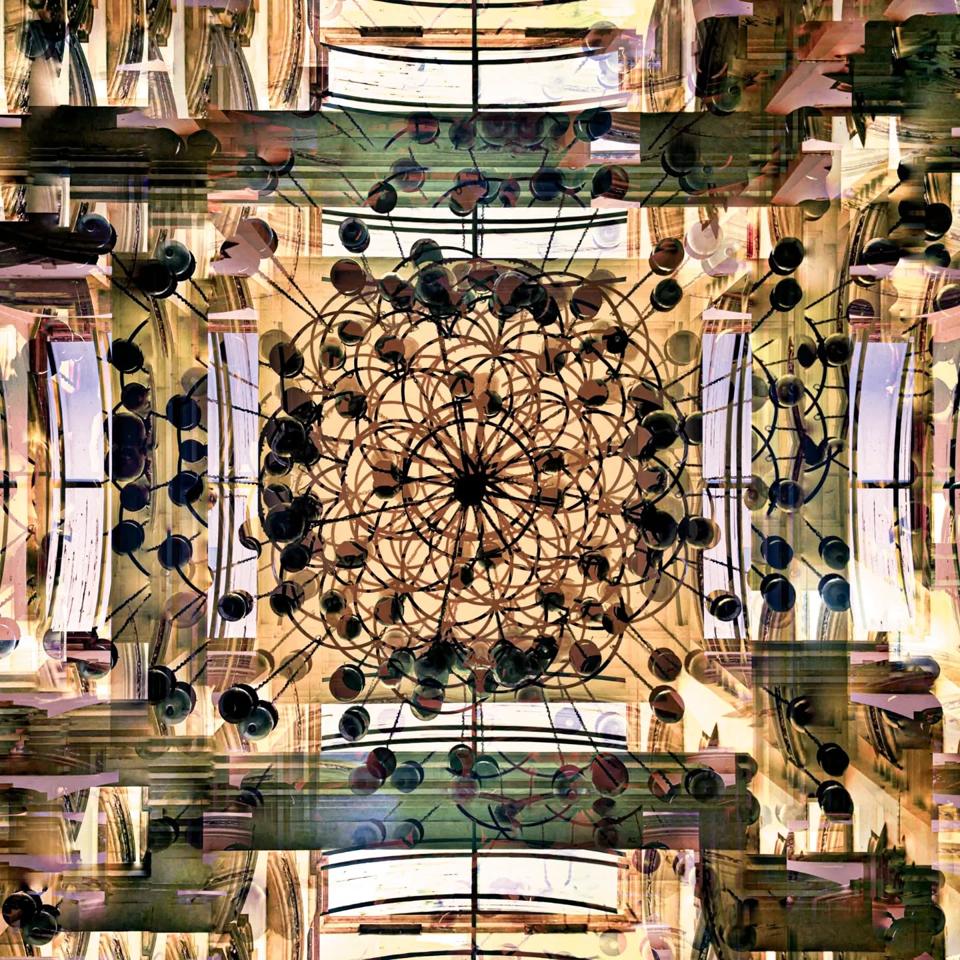
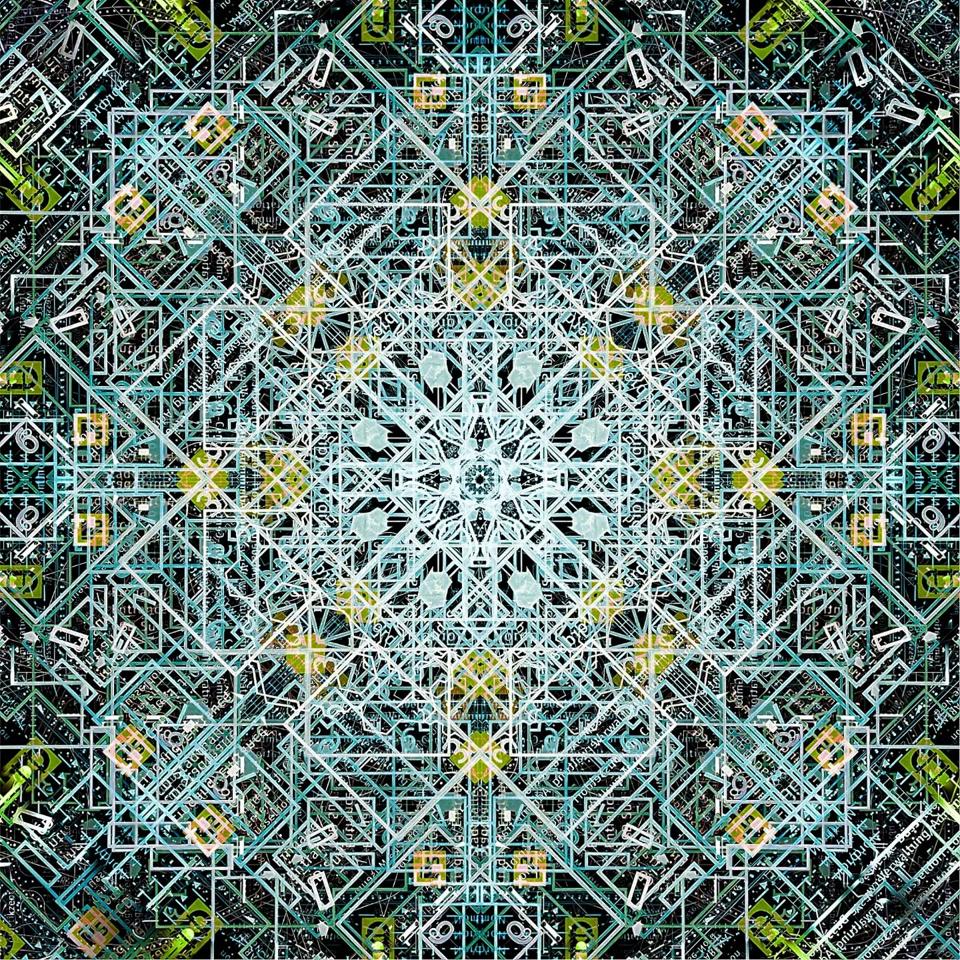
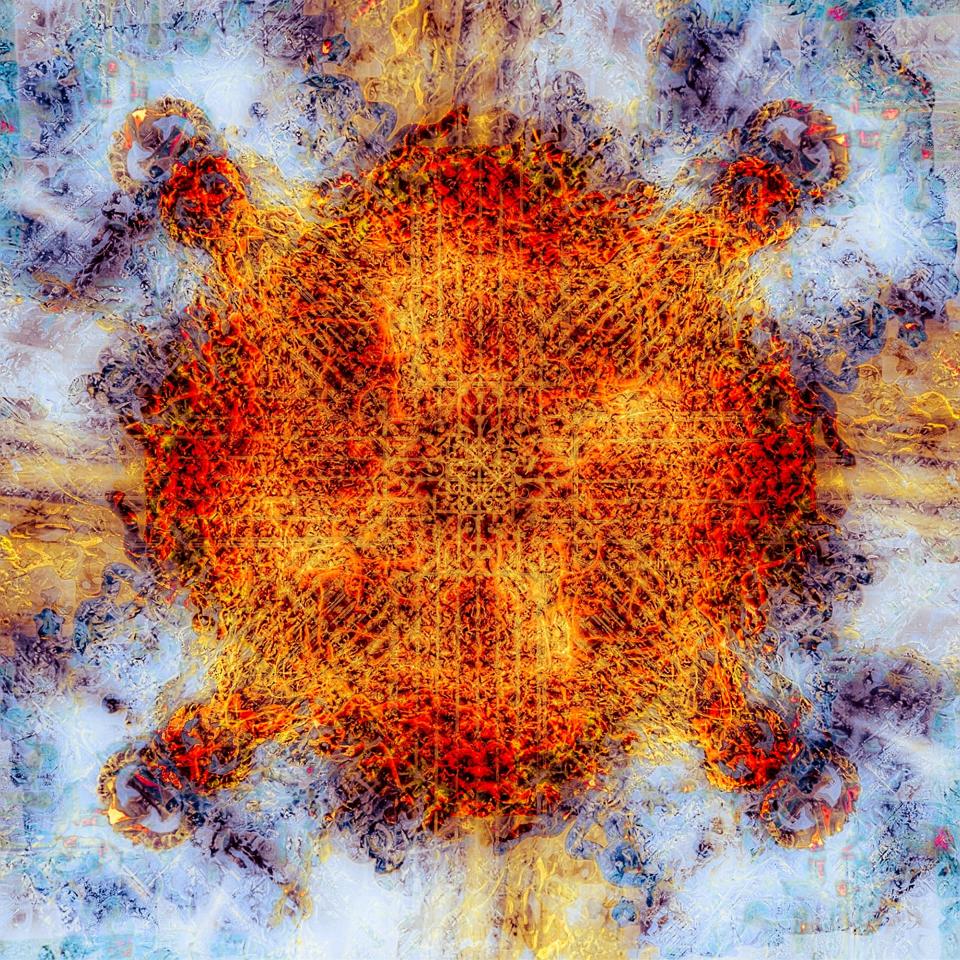
These works compress source images into rotational systems. Architecture, objects, surfaces, and incidental textures are folded into repetition until balance, tension, and internal echo replace ordinary perspective. The original scene does not disappear. It survives as residue inside a denser order.

Read full series framework

Where it started

It started on a plane, during a business trip. No internet, just photographs and the overlay function in Snapseed. When you remove the usual escapes, something else starts working. That enforced constraint produced the first rotational folds. That is still the logic of the series.
The operation

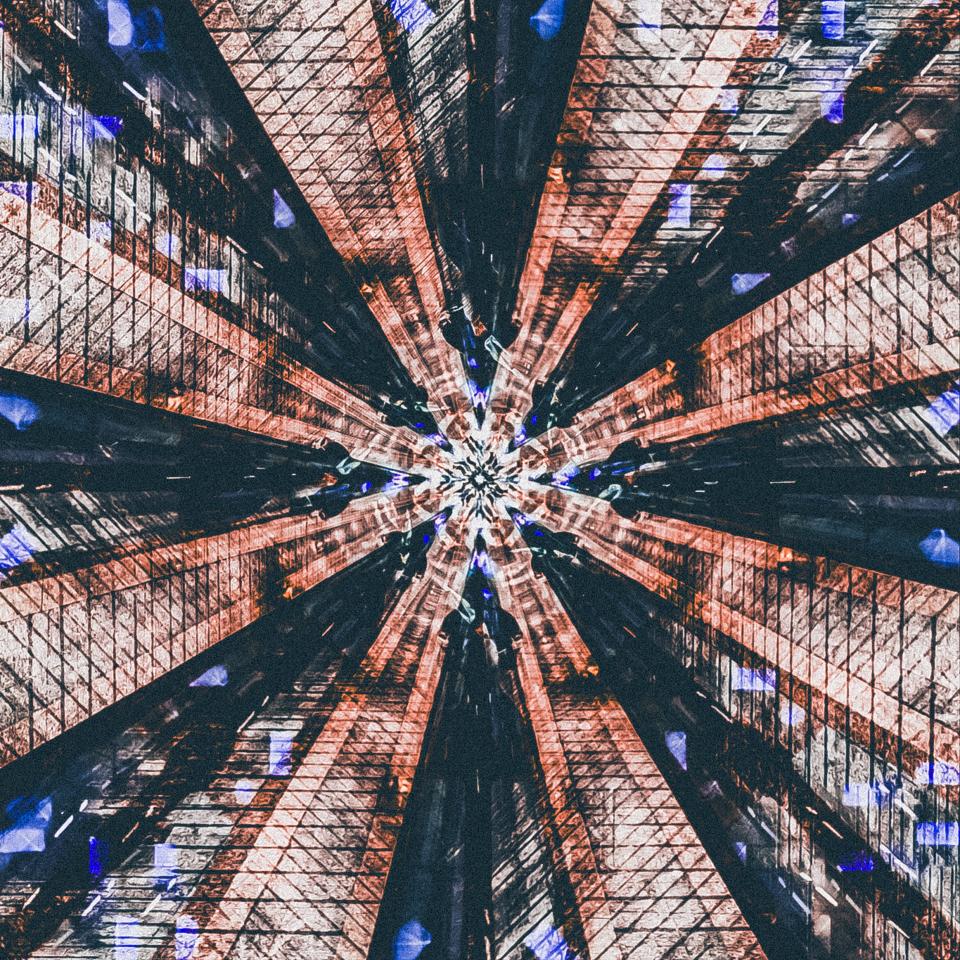
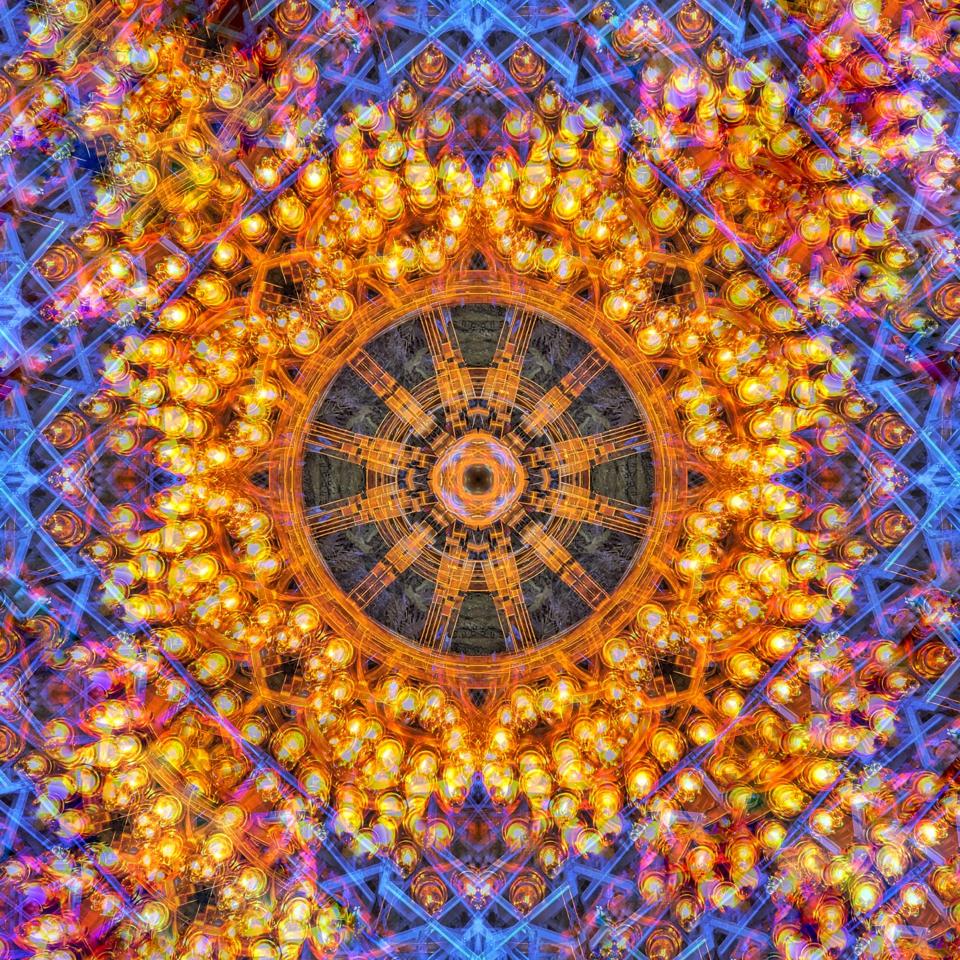
Each work applies a rotational fold to a photographic fragment. A wedge is sampled, duplicated around a center, and closed into a full field. The fold count can vary by image, but the method does not: radial repetition, strict closure, no freehand correction. This is symmetry imposed on material that was not built to be symmetric. Where needed, the source image is expanded to make the rotation geometrically possible, as a technical enabler rather than an artistic decision.

What the source does

Not every image survives this operation. Strong local contrast, directional texture, edge density, and partial symmetry produce the most stable results. Architecture, materials, and patterned surfaces carry enough structure to remain legible after rotation. The source is valuable for what resists closure: asymmetry, directional grain, misaligned edges, and light bias.

What the viewer is looking at

These images are not scenes. They are symmetry fields generated from scenes. The source remains present as residue, but its original perspective is replaced by a centered, recursive order. The image exists in the friction between imposed order and source resistance.

The constraint

The series is defined by fixed rules: rotational construction, radial balance, and closure around a single center. What varies is the source, crop, and fold count. What stays constant is the grammar of transformation. Color is deliberately left open. The fold is strict; the chromatic mapping is not. With Kaleidoscopes, creative latitude is concentrated before and after the fold: source selection and color decisions.